



Views: 0 Author: Site Editor Publish Time: 2026-06-30 Origin: Site


Achieving a deep, pitch-black color in desserts often frustrates bakers. Many rely on massive amounts of artificial food coloring. This habit usually creates stained teeth and a bitter flavor. You can easily avoid these common pitfalls. Professional kitchens use a natural alternative instead. Black Cocoa Powder delivers dramatic dark hues. It also provides a uniquely smooth flavor. However, it significantly alters the chemical balance of your recipes. It changes the physical structure of your batters too.
We designed this comprehensive guide to help you succeed. We will explore how to evaluate and substitute this ingredient safely. You will discover the exact baking science needed for flawless results. We will show you how to adapt recipes perfectly. You can achieve stunning visuals without ruining texture or leavening power.
Chemical Profile: It is an ultra-Dutched cocoa with an alkaline pH of around 8, meaning it will not react with baking soda.
Flavor & Appearance: Yields a striking, pitch-black color and a smooth, earthy "Oreo" flavor, distinct from conventional chocolate.
Implementation Rule: Due to its near fat-free nature, it should typically be blended 50/50 with regular Dutch-process cocoa to prevent baked goods from drying out.
Nutritional Reality: The heavy alkalization process strips away most antioxidants; it is a culinary tool for flavor and aesthetics, not a health supplement.
You must understand the processing methods to use this ingredient properly. Manufacturers create it through an "ultra-Dutched" process. They heavily wash raw cocoa beans in alkaline solutions. Most processors use potassium carbonate for this step. This aggressive wash neutralizes the natural acidity completely. It transforms the color into an incredibly dark shade. It also fundamentally changes how the ingredient behaves.
We can evaluate these differences clearly through a pH lens. Food science relies on pH to predict chemical reactions. The table below illustrates the varying acidity levels.
Cocoa Type | Average pH Level | Chemical Nature | Flavor Characteristics |
|---|---|---|---|
Natural Cocoa | 5.0 – 6.0 | Acidic | Bitter, sharp, fruity |
Dutch-Processed Cocoa | 7.0 | Neutral | Smooth, mellow, rich |
Black Cocoa | 8.0 | Alkaline | Exceptionally dark, earthy |
This intense alkalization process carries a significant physical cost. It strips away a massive portion of natural cocoa butter. Standard cocoa retains moderate fat levels. Conversely, ultra-Dutched versions drop to roughly 10% to 12% fat content. Some brands contain even less. This makes the product nearly fat-free. You must account for this lost fat. It fundamentally changes batter consistency compared to standard cocoa. Melted chocolate provides structure and moisture. This ultra-processed powder provides neither.
Bakers often mistakenly treat all cocoa varieties equally. They swap them without adjusting other ingredients. This mistake leads directly to dry, crumbly textures. You must treat this dark powder as a specialized flavoring agent. It acts more like a dry flour than a rich fat.
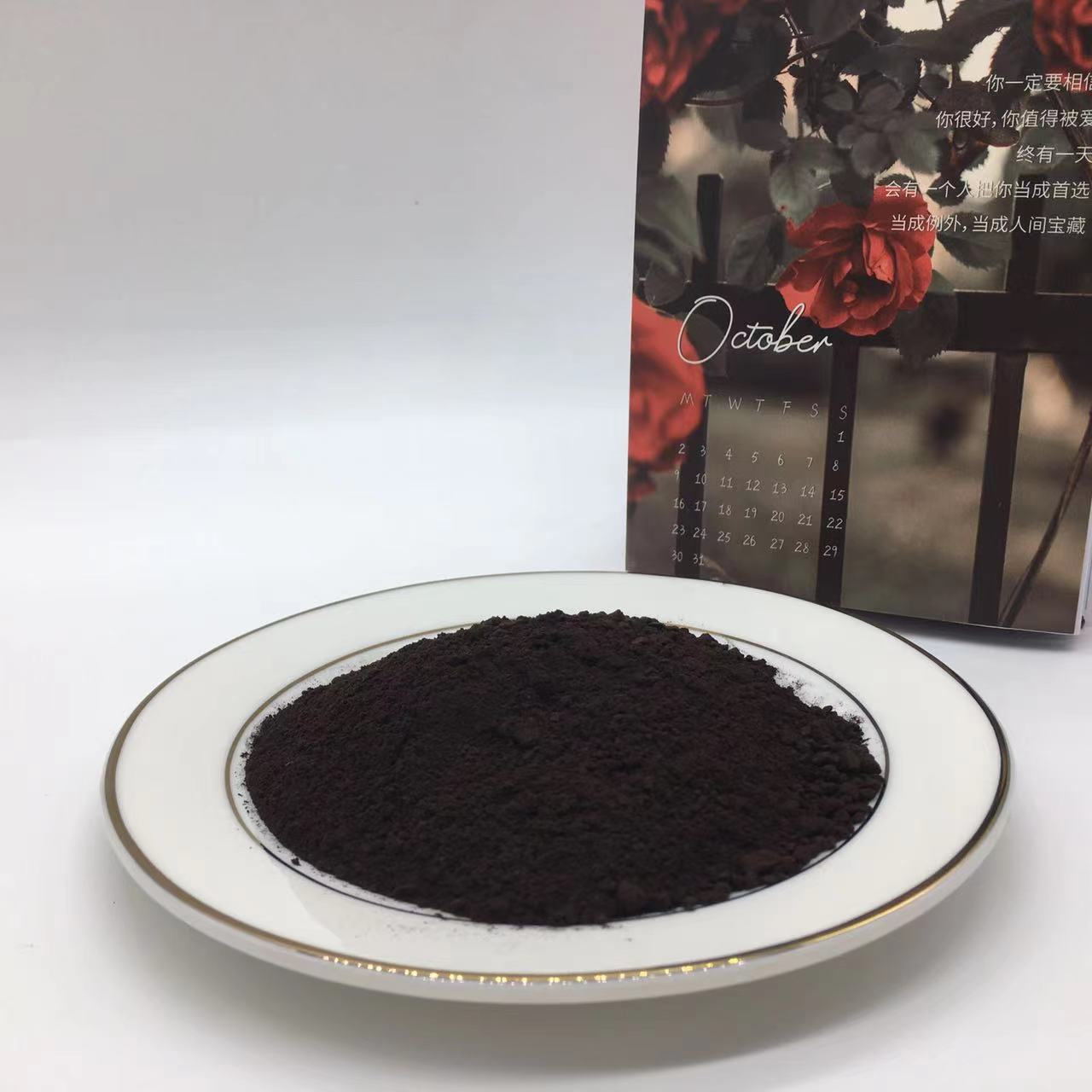
Many people expect an intense dark chocolate flavor. They assume darker colors equal deeper bitterness. This assumption is entirely incorrect. Heavy processing actually removes the sharp, bitter notes entirely. It leaves behind a smooth, highly earthy taste.
Most consumers recognize this specific flavor immediately. It tastes exactly like a nostalgic chocolate sandwich cookie. Commercial bakeries use it to make Oreos. It lacks the fruity, complex acidity of natural chocolate. It provides a flat, comforting, and recognizable bakery flavor. You use it for nostalgia and visual drama.
Professional cake decorators prefer it over artificial gel dyes. It offers massive advantages for frosting applications. Consider these crucial buttercream benefits:
Eliminates oil-and-water separation: Liquid and gel dyes contain water. Buttercream contains high amounts of fat. Adding too much watery dye breaks the emulsion. This natural powder keeps frostings perfectly stable.
Prevents stained teeth: Black artificial dye notoriously stains mouths and clothing. Consumers dislike attending events and ending up with gray teeth. Natural powder eliminates this embarrassing problem.
Leaves zero chemical aftertaste: You need entire bottles of artificial dye to achieve true black. This leaves a harsh, metallic aftertaste. Natural cocoa tastes deliciously smooth regardless of the amount used.
You also need to understand the concept of "blooming." The powder requires heat to reach its deepest shade. Baking activates the dark pigments fully. No-bake applications require a different approach. Frostings, puddings, and ice creams will look gray initially. You should let the mixture rest for a few hours. Letting it rest overnight works best. Time allows the color to naturally deepen and bloom.
Baking relies on precise chemical reactions to create lift. Leavening agents dictate whether your cake rises or falls. You face a major leavening incompatibility here. We know the powder is highly alkaline. It sits at a pH of 8. It contains absolutely no acid.
Baking soda requires an acidic environment to function. It needs acid to create carbon dioxide bubbles. These bubbles expand during baking to lift the cake. If you pair baking soda with an alkaline ingredient, nothing happens. Your dessert will emerge dense, flat, and unappealing. You must fix this chemical imbalance actively.
You have two primary solutions for leavening. First, your recipes must rely heavily on baking powder. Baking powder already contains its own powdered acid. It reacts perfectly regardless of the cocoa used. Second, you can introduce a separate wet acid. You might add buttermilk, yogurt, or vinegar to the batter. This restores the acidic balance needed for baking soda.
You also face a severe dryness risk. This represents the biggest implementation challenge. Remember the reduced fat content discussed earlier. Directly swapping 100% of standard cocoa guarantees a dry crumb. The cake will literally crumble apart when cut. The lack of cocoa butter ruins the structural moisture.
Professionals solve this through strategic blending. We highly recommend a 50/50 split for baked goods. You should blend 50% black powder with 50% regular Dutch-processed cocoa. This professional solution maintains vital structural moisture. You still achieve the incredibly dark color. You also retain a richer chocolate flavor profile.
We created a simple cheat sheet for direct substitution rules. You must calculate these changes carefully. Baking is an exact science. Guesswork leads directly to wasted ingredients and failed desserts.
Review this substitution chart before altering any recipe:
Original Recipe Ingredient | Substitution Strategy | Leavening Adjustments |
|---|---|---|
Dutch-Process Cocoa | Swap 1:1 (We strongly advise a 50/50 blend for cakes) | None required. Both are non-acidic. |
Natural Cocoa | Swap 1:1 (Again, utilize the 50/50 blend method) | Convert every 1 tsp of baking soda into 3 tsp of baking powder. |
You also need deliberate moisture compensation strategies. The 50/50 blend usually protects cakes nicely. However, some recipes demand a higher ratio for extreme color. You must compensate for the lost cocoa butter actively in these cases.
We advise adding specialized moisture retainers to the wet ingredients. Add one tablespoon of plant-based yogurt per cup of flour. Sour cream works perfectly for dairy-based recipes. Unsweetened applesauce serves as an excellent fat-free moisture binder. Applesauce contains natural pectin. Pectin traps water molecules effectively during the baking process. This keeps the final crumb tender and moist.
Avoid simply pouring in extra liquid milk or water. Extra water thins the batter too much. It alters the flour hydration limits. Stick to thick, fat-rich, or pectin-rich additions. They mimic the behavior of solid cocoa butter best.
We value transparency when discussing ingredient nutrition. Many health blogs praise raw cacao for its antioxidant properties. Natural cocoa powder is indeed rich in beneficial polyphenols. It contains high levels of flavanols too. Medical studies link these specific compounds to cardiovascular benefits. They improve blood flow and reduce cellular inflammation.
You must understand a difficult nutritional reality here. The heavy alkalization process destroys these benefits. The extreme pH shift breaks down delicate plant compounds entirely. Testing shows ultra-Dutched versions retain almost zero original antioxidants. You lose the cardiovascular advantages entirely.
You should view this ingredient strictly as a culinary tool. It exists for flavor enhancement and aesthetic impact. It is absolutely not a superfood. It does not belong in health-focused daily smoothies. Treat it like a natural food dye rather than a vitamin supplement.
You should still practice mindful purchasing considerations. Ethical sourcing matters deeply in the chocolate industry. We recommend choosing fair-trade certified options whenever possible. Fair-trade guarantees ethical farming practices and fair wages. Organic certifications remain equally important. Organic processing helps you avoid harmful pesticide residues. Clean processing ensures your beautiful dark desserts remain safe to consume.
Most home cooks relegate this powder strictly to sweet baking. This limits its incredible culinary potential. You can leverage its earthy profile for savory applications too. It adds immense depth and complex notes to rich dishes.
Try incorporating it into savory spice rubs. It pairs beautifully with smoked paprika and cumin for roasted meats. It elevates traditional Mexican Mole to new visual heights. You can stir a tablespoon into a slow-cooked chili. It deepens the color of the broth instantly. It adds an underlying umami note without making the chili sweet.
Beverage makers frequently encounter a specific troubleshooting issue. The ultra-fine powder clumps terribly in liquids. It resists dissolving in cold milk completely. You will end up with dry lumps floating in your cup. You can fix this common complaint easily.
Use a cheap handheld milk frother to force hydration.
Create a hot-water paste first. Mix the powder with two tablespoons of boiling water.
Stir until completely smooth and glossy.
Slowly pour in your heated milk while stirring constantly.
This paste method guarantees perfectly smooth dark hot chocolate and lattes.
Finally, consider its utility as an allergen-friendly coloring agent. Many consumers suffer from severe food-dye allergies. Red 40 and artificial blacks cause severe reactions for some. This natural alternative provides a completely safe dye option. Crafters even use it for DIY cosmetics. It safely tints homemade lip balms and facial soaps. It provides a luxurious dark hue without synthetic chemicals.
This specialized ingredient offers powerful visual drama and incredible flavor. You can create stunning, professional-level desserts safely at home. You simply must respect its unique chemical limitations to succeed. Always account for its high alkalinity and virtually non-existent fat content.
We recommend starting small on your first attempt. Test the reliable 50/50 blend ratio first. Apply this rule to your go-to brownie or simple buttercream recipe. Observe how the texture and color change. Master these foundational recipes before attempting complex architectural cakes. Your desserts will look striking and taste remarkably smooth.
A: Yes, but rarely in a direct 1:1 ratio. It lacks cocoa butter, which causes extreme dryness in cakes. It requires leavening adjustments if replacing natural cocoa. You must also add moisture compensation like yogurt or applesauce.
A: It needs time to "bloom." The pigments activate fully with heat. For cold frostings, let the mixture sit overnight. Alternatively, you can add a microscopic drop of oil-based black food coloring to kickstart the darkening process.
A: No, it lacks the bitterness and fruity notes of traditional dark chocolate. Heavy processing removes those complex acids. It tastes much more like a smooth, baked chocolate sandwich cookie.
A: Naturally, yes. Cocoa beans do not contain gluten. However, always check the manufacturing label for cross-contamination warnings. Ensure it holds certified gluten-free status (under 20ppm) if required for celiac safety.

