



Views: 0 Author: Site Editor Publish Time: 2026-11-17 Origin: Site


Sourcing the right black cocoa powder is not just about achieving a signature jet-black color. It requires balancing extreme alkalization with structural integrity in the final baked good. Manufacturers must look beyond mere visuals to understand the underlying powder chemistry.
For commercial bakeries and premix manufacturers, utilizing the wrong cocoa specification leads to brittle cookie wafers, erratic spread during baking, and flat, overly earthy flavor profiles that alienate consumers. Such formulation failures drive up ingredient waste and severely damage brand reputation. Production lines quickly grind to a halt when dough behaves unpredictably.
This article will provide R&D and procurement teams with an objective, specification-based framework to evaluate and shortlist black cocoa suppliers for high-volume cookie and premix production. We will explore essential metrics like pH, fat content, and particle size limits. Read on to master the technical nuances of formulating with ultra-dark cocoa.
Evaluating black cocoa requires analyzing specific pH levels (typically 7.5 to 8.5+) and their direct impact on leavening agents in your formulation.
Fat content (low-fat 10-12% vs. high-fat 22-24%) dictates both the mouthfeel of dark sandwich cookies and the flowability of dry premixes.
Rigorous black cocoa powder quality testing must prioritize lot-to-lot color consistency and microbiological safety.
Successful integration into a dark cocoa bakery premix demands strict moisture control to prevent clumping and extend shelf life.
Commercial bakeries often specify ultra-dark cocoa solely for aesthetics. However, this ingredient drastically alters overall dough chemistry. You must understand how heavy Dutching changes the base ingredient. This alkalization process washes cocoa nibs in an alkaline solution, typically potassium carbonate. It drastically darkens the powder. Unfortunately, this process strips away natural acidity. It also removes delicate chocolate aromatics. This leaves a highly neutral, earthy flavor profile. You trade rich flavor for intense visual impact. Formulators must compensate for this flavor loss elsewhere in the recipe.
The structural impact on baked goods remains equally significant. Natural cocoa contains inherent acids. These acids react vigorously to standard baking soda, producing carbon dioxide for lift. Ultra-dark cocoa lacks this crucial acidity. This absence alters the standard chemical reactions in your dough. You must adjust your primary leavening ratios. You can no longer rely on baking soda alone. Instead, you must switch to baking powder, which contains its own acid salts. This simple swap ensures you achieve proper lift and wafer texture.
Why do manufacturers choose this ultra-dark ingredient? It suits sandwich cookie wafers perfectly. In these applications, the sweet cream filling provides the primary flavor experience. The dark wafer simply delivers color and satisfying crunch. Conversely, standalone brownies or moist cakes require robust chocolate flavor. For these specific applications, pure alkaline cocoa falls short. You must blend it alongside standard Dutch-processed cocoa. This restores the classic chocolate taste while maintaining a visually appealing dark crumb.
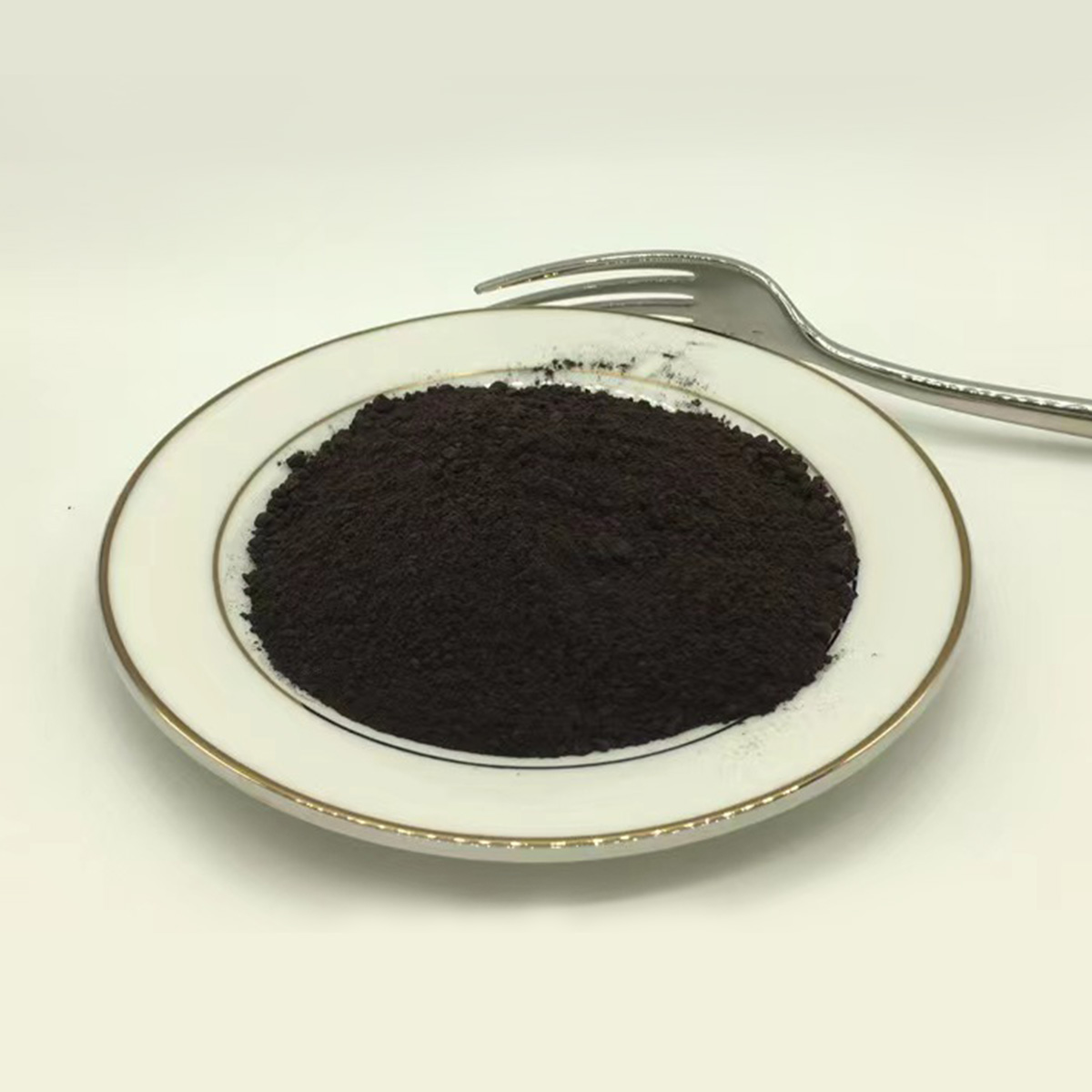
Rigorous black cocoa powder quality testing separates premium suppliers from inconsistent vendors. You must measure several core physical parameters before approving any new ingredient.
Standard natural cocoa usually registers a pH around 5.5. Ultra-dutched black cocoa typically lands between 7.5 and 8.5+. Some intensely processed lots even reach 9.0. You must test all incoming batches for residual alkali. Improper neutralization by the supplier causes major formulation failures. It leaves a distinct soapy, bitter off-note in the final baked cookie. Establish a strict pH tolerance in your purchasing specifications. Reject any shipments that exceed your established pH ceiling.
Fat content dictates both dough texture and factory handling characteristics. Most global suppliers offer two primary grades for commercial buyers.
Comparison of Fat Content in Dark Cocoa Powder
Fat Content Specification | Primary Application Texture | Commercial Handling Risks |
|---|---|---|
10-12% (Low Fat) | Dry, crisp, highly structured crumb | Dusting during bulk transfer |
20-24% (High Fat) | Rich, dense, softer mouthfeel | Fat blooming, severe silo clumping |
A 10-12% fat specification works best for dry, crisp textures. It perfectly matches standard sandwich cookie wafers. This lower fat tier also significantly extends the shelf life of dry bakery blends. Conversely, 20-24% fat provides a richer mouthfeel. However, it introduces significant manufacturing risks. You may encounter surface fat blooming on baked goods. It also causes severe bridging and clumping inside bulk storage silos.
Particle size directly influences how the powder behaves inside your facility. You should establish a strict baseline requirement. Demand that 99% of the powder passes through a 200-mesh sieve. Coarse particles cause ugly speckling in the finished dough. Fine powders guarantee a uniform, jet-black appearance. Particle size also impacts dough hydration rates. Finer particles absorb water much more rapidly. This requires careful mixing speed calibration. Furthermore, particle fineness controls homogeneous dispersion in large dry mixes.
Formulating the perfect dark wafer requires precise dough management. Optimizing black cocoa powder for cookies means thoroughly understanding its unique physical behavior on the production line.
Heavily alkalized cocoa absorbs water differently than natural cocoa. The intense Dutching process modifies the powder's cellular structure. It drastically increases the ingredient's overall liquid holding capacity. Flour proteins and cocoa fibers actively compete for available water. You must make precise hydration adjustments. Failing to add enough water yields crumbly, unworkable cookie dough. The gluten network simply cannot form properly. This friable dough tears instantly on the rotary molding machine. Incrementally increase your dough's water content during initial bench trials.
Commercial tunnel baking demands absolute dimensional stability. Cookie spread relies heavily on underlying dough chemistry. The cocoa's inherent fat content and the dough's final pH directly control physical spread. High pH doughs spread much more rapidly under heat. Lower fat contents restrict this outward flow. You must balance these two variables perfectly. If a new cocoa lot unexpectedly spikes in pH, your cookies will expand too much. They will no longer fit inside standard rigid packaging trays.
Pure black cocoa often carries harsh "ashy" or slightly burnt flavor notes. You need specific formulation tactics to mitigate these harsh flavors. Industry experts rarely use this ultra-dark ingredient at 100%. We strongly recommend blending standard Dutch cocoa into the formula. A 10-20% standard Dutch addition restores missing cocoa aromatics. You can also adjust your vanilla and salt profiles. Vanilla extract effectively masks the sharp alkaline bite. Meanwhile, salt enhances the perceived sweetness of the surrounding cookie matrix.
Industrial premixes demand incredibly robust ingredient stability. A successful dark cocoa bakery premix requires meticulous handling of both moisture and powder density.
Large-scale dry blends require completely free-flowing ingredients. You must source cocoa featuring exceptionally strict moisture limits. Always specify a maximum moisture content below 5%. High moisture levels lead to immediate powder caking. It quickly blocks bulk premix silos and clogs pneumatic conveying lines. Perform routine moisture analysis on every single incoming delivery. This proactive testing prevents incredibly costly production downtime.
Industrial ribbon blenders handle massive volumes of raw dry ingredients. Black cocoa possesses a very specific bulk density. You must evaluate how this low density interacts with heavy flour, sugar, and leaveners. Powders with vastly different bulk densities tend to separate. Poor blending creates stratified layers during highway transit. To prevent stratification, follow a strategic mixing protocol:
Pre-blend the ultra-dark cocoa with a small portion of the granulated sugar.
Sift all leavening agents before addition to break up stubborn clumps.
Mix these minor ingredients thoroughly before adding the heavy bulk flour.
Monitor blending times strictly to avoid over-aerating the lightweight powder.
Premix expiration dates depend heavily on base ingredient stability. You must consider the oxidative stability of the remaining cocoa butter. Even low-fat powders contain roughly 10% residual fat. This fat can go rancid over extended storage periods. High warehouse temperatures rapidly accelerate this oxidation process. Keep your storage facilities strictly climate-controlled. Monitor peroxide values carefully during extended shelf-life testing. Ensure the powder retains a fresh, neutral odor throughout the specified product lifespan.
Reliable global sourcing guarantees long-term production continuity. Evaluate your suppliers strictly on visual consistency and food safety. Using premium Black Cocoa Powder strategically locks in quality for your flagship products.
Visual consistency serves as your most critical brand asset. You must evaluate a supplier's Certificate of Analysis (COA) for incredibly tight color tolerances. Commercial buyers rely on the standardized L*a*b* color space metrics. The "L*" value specifically measures visual lightness. Ensure your chosen supplier maintains a very narrow "L*" range. This data guarantees your finished cookies look absolutely identical year-round. Immediately reject any incoming lots falling outside your approved visual spectrum.
Global cocoa sourcing carries inherent food safety risks. Cacao beans undergo initial fermentation outdoors in tropical climates. They naturally carry high microbial loads. You must rigorously verify supplier testing protocols. Require negative laboratory results for Salmonella and E. coli. Set remarkably strict limits for total yeast and mold counts. Heavy metals represent another critical risk factor. Global cocoa sourcing faces intense regulatory scrutiny regarding Cadmium and Lead levels. Demand third-party lab results confirming absolute heavy metal compliance.
Ethical supply chains continue to drive consumer purchasing decisions. Evaluate the actual business value of specific agricultural certifications. Consider Fair Trade, Rainforest Alliance, or certified organic labels. Match these specific credentials directly to your target consumer market. They powerfully support modern corporate ESG goals. However, certified cocoa always commands a noticeable premium price. Weigh this raw material cost against the projected marketing benefits for your final packaged product.
Selecting the correct alkaline cocoa requires absolute technical precision. It remains a delicate balancing act between pH levels, fat content, and overall particle size. You must align these exact specifications against your specific facility manufacturing capabilities.
Start your shortlisting logic with strict COA reviews. Conduct extensive color-matching bench tests before you authorize expensive pilot-scale dough runs. This structured approach prevents costly machine downtime and prevents wasted ingredients. Procurement and R&D must work together seamlessly to evaluate technical parameters.
Follow these action-oriented next steps to secure a highly reliable ingredient supply:
Request 10-12% fat samples from at least three vetted global suppliers.
Demand detailed microbiological and heavy metal specifications for side-by-side comparative testing.
Run standardized spread tests using your exact commercial cookie formulation.
Establish a retained sample library to visually cross-check all future lot deliveries.
A: No. Black cocoa is heavily alkalized and highly non-acidic. This means it will not react properly with standard baking soda. If you substitute it directly, your baked goods will fail to rise. Formulations must be adjusted to use baking powder or a carefully calculated blend of leaveners to ensure proper dough expansion.
A: This unpleasant flavor usually results from using 100% black cocoa without adequate flavor balancers. The heavy Dutching process destroys natural chocolate aromatics. It is an industry standard to blend ultra-dark cocoa with standard Dutch-processed cocoa (often a 50/50 or 70/30 split). This restores rich chocolate flavor while effortlessly maintaining a dark color.
A: For commercial dry premixes, a lower fat content (10-12%) is generally preferred. This lower fat tier maintains excellent flowability, prevents severe clumping in silos, and significantly extends shelf life. You should only use high-fat cocoa if the specific baked application demands a much richer, denser crumb structure.
A: Commercial buyers should rely heavily on L*a*b* colorimeter readings provided directly on the supplier's COA. The "L*" value is the most critical metric for darkness. Follow up these data reviews with standardized visual bench tests, comparing the newly delivered lot against a retained, approved control sample.

