



Views: 0 Author: Site Editor Publish Time: 2026-11-04 Origin: Site


Visual appeal drives consumer purchasing decisions in the bakery aisle. Shoppers expect their favorite chocolate cakes and brownies to look identical every time they open the wrapper. Batch rejection and brand damage create severe financial losses when industrial baked goods suffer from inconsistent color profiles. You simply cannot afford unpredictable visual variations in high-speed manufacturing environments. We often overlook raw material pH variance as the primary culprit behind this visual inconsistency. Raw material specifications directly dictate your terminal product appearance.
Precise specification of Alkalized Cocoa Powder forms the baseline requirement for success. It helps you standardize color, control dough spread, and ensure predictable chemical reactions in large-scale baking. In this guide, you will learn how pH controls stabilize your production runs. We will explore chemical interactions, formulation troubleshooting, and strict supplier evaluation metrics. Mastery of these variables prevents costly manufacturing defects.
The pH level of cocoa powder dictates not only color depth (from light red to intense black) but also functional solubility in industrial doughs and batters.
Natural cocoa powder (pH 5.3–5.8) yields inconsistent, lighter results; alkalized cocoa powder (pH 6.8–8.5+) is required for standardized, dark bakery applications.
Achieving cocoa powder color consistency requires matching the cocoa’s pH with the correct leavening agents (baking powder vs. baking soda) to prevent alkaline spotting or graying.
Procurement evaluation must extend beyond color matching to include fat content, fineness, and strict microbiological compliance on Certificates of Analysis (COAs).
To understand visual uniformity, we must briefly define the "Dutching" or alkalization process. Manufacturers wash cocoa nibs using an alkaline solution during processing. Potassium carbonate serves as the most common alkalizing agent for this step. This chemical wash effectively neutralizes the natural acidity inherent in raw cocoa beans. It fundamentally alters both the physical structure and the chemical behavior of the resulting powder.
You can observe a stark baseline difference in the visual spectrum. Natural cocoa retains a light brown hue. It carries a distinct, fruity acidity on the palate. Alkalization darkens the pigment significantly. The process shifts the color profile toward deep mahogany, rich red, or intense black. It also mellows the harsh flavor profile, producing a smoother, earthier chocolate taste. The degree of alkalization directly controls the final color intensity.
Natural cocoa remains a liability for visual uniformity in large-scale operations. Raw beans vary drastically depending on climate, soil, and harvest conditions. These natural fluctuations create unacceptable variations across automated production lines. Alkalization stabilizes the pigment effectively. It establishes a predictable baseline essential for industrial manufacturing. You need this chemical stability to ensure product uniformity across thousands of consecutive batches.
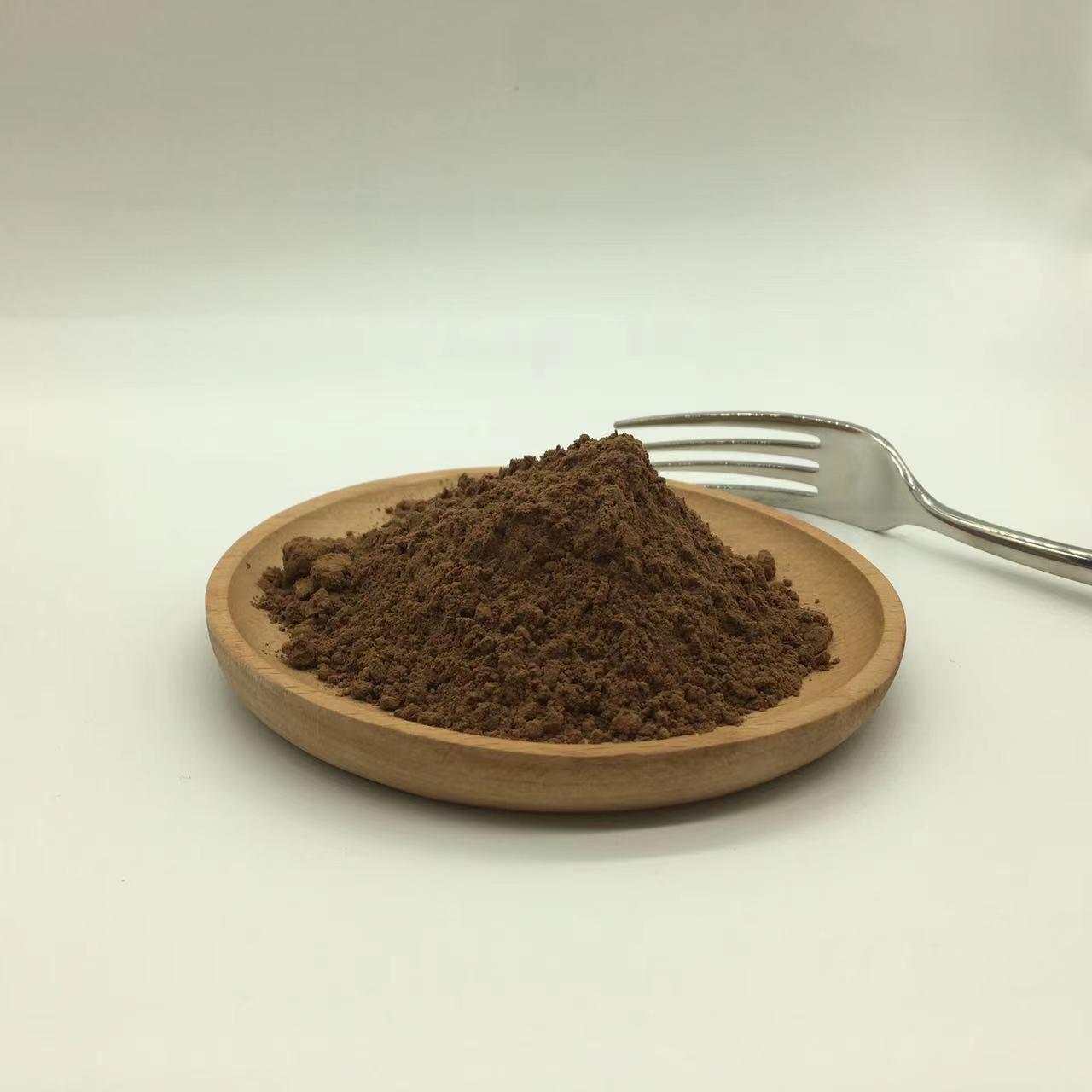
Different baked goods require highly specific visual profiles. You achieve these profiles by manipulating the pH ranges of your raw materials. Carefully selected pH levels guarantee repeatable color outputs.
Light alkalization typically falls between pH 6.8 and 7.2. This range produces warm, reddish-brown tones. You use this specification for standard chocolate sponges and classic layer cakes. Medium alkalization ranges from pH 7.2 to 7.6. It yields a deep, rich brown color. Industrial bakers consider this the standard for brownies and premium soft-baked cookies. Heavy alkalization pushes the pH from 7.6 to 8.5 or higher. It delivers very dark to almost black colors. Sandwich cookie wafers rely entirely on heavily alkalized powders to achieve their iconic dark appearance.
Alkalization Level | pH Range | Visual Output | Ideal Bakery Application |
|---|---|---|---|
Light Alkalization | 6.8 – 7.2 | Warm, reddish-brown | Standard chocolate sponges, muffins |
Medium Alkalization | 7.2 – 7.6 | Deep, rich brown | Brownies, premium cookies, sweet breads |
Heavy Alkalization | 7.6 – 8.5+ | Very dark brown to black | Sandwich cookie wafers, dark crusts |
Higher alkalized cocoa powder pH accelerates the Maillard reaction during baking. This non-enzymatic browning process occurs when amino acids react alongside reducing sugars under heat. An alkaline environment acts as a catalyst for this reaction. It intensifies your terminal crust and crumb color significantly. The elevated pH speeds up pigment formation, ensuring a darker bake even at standard oven temperatures.
Environmental stability presents another crucial advantage. Heavily alkalized powders resist color fading remarkably well. They maintain their visual integrity during extended shelf-life periods. Transparent retail packaging often exposes baked goods to harsh UV lighting. Natural cocoa pigments break down and fade under these conditions. Alkalized pigments hold their rich color, protecting your product's shelf appeal for months.
Visual matching represents only the first step in ingredient qualification. Procurement teams must frame objective criteria when sourcing cocoa powder for industrial baking. You must evaluate physical, chemical, and microbiological specifications simultaneously.
We require 99% or higher passage through a 200-mesh sieve. Poorly milled powder causes severe speckling. You will notice these dark spots clearly in high-hydration batters. Fine milling ensures even color distribution throughout the dough. It prevents concentrated flavor pockets and guarantees a smooth, uniform crumb texture.
You must understand the operational trade-offs regarding fat content. Low-fat powders (10-12%) offer more concentrated color per gram. They also provide better starch hydration during mixing. High-fat powders (22-24%) deliver a richer mouthfeel. However, excess cocoa butter can alter dough rheology. It may cause cookies to spread unpredictably on the baking band.
You must enforce strict moisture limits across your supply chain. Keep powder moisture strictly below 5%. High moisture invites clumping and microbial proliferation in storage silos. Monitor maximum plate counts for yeast, mold, and enterobacteria rigorously. This step becomes critically important if your bakery shares facilities with dairy applications. Cross-contamination risks demand flawless supplier documentation and verifiable safety testing.
Focusing solely on price while ignoring tight pH tolerances.
Accepting high-moisture batches causing silo blockages.
Using low-mesh (coarse) powders producing speckled cakes.
Introducing alkalized ingredients into legacy recipes requires careful formulation adjustments. Chemical interactions inside the mixing bowl determine oven success.
We document the "Leavening Trap" as the most common implementation failure. Alkalized cocoa powder does not react with baking soda (sodium bicarbonate). The Dutching process already neutralized the inherent cocoa acids needed to trigger the soda. Formulas must adjust to use baking powder instead. Baking powder contains its own acidulating agent. If you fail to make this swap, the product will fail to rise properly. Worse, unreacted baking soda leaves an unpleasant, soapy taste in the final product.
Alkalization also alters starch gelatinization temperatures. It changes water absorption rates inside the batter. You must make hydration adjustments when upgrading legacy recipes. Dutch-processed powders typically absorb liquids differently than natural alternatives. You might need to increase your liquid ratios slightly. This compensation maintains optimal batter viscosity and prevents dry, crumbly textures.
Production teams frequently struggle while troubleshooting an "ashy" or gray crumb. We must diagnose this common production defect accurately. An overly alkaline environment typically causes graying. Combining heavy alkalized cocoa alongside excess baking soda pushes the dough pH too high. Achieving perfect cocoa powder color consistency requires balancing the terminal pH. Too much alkalinity destroys the rich brown melanoidin pigments. It leaves behind a dull, unappetizing gray finish on your sponges and cookies.
Your finished product quality depends entirely on your raw ingredient consistency. Approving the right supplier prevents catastrophic production delays.
Advise your QA teams to reject suppliers relying on generic marketing spec sheets. You must demand batch-specific Certificates of Analysis (COAs). Look for tight manufacturing tolerances. A reliable supplier maintains a ± 0.2 pH variance from batch to batch. Wider variances guarantee color inconsistencies on your bakery lines. If a supplier refuses to provide batch-specific data, disqualify them immediately.
Evaluate the supplier's blending capabilities for supply chain traceability. Cocoa crop variations happen every single season. Reliable manufacturers blend multiple bean origins expertly. They execute this blending either before or after alkalization. This rigorous blending practice ensures a standardized color standard year-round. It protects your brand from seasonal agricultural fluctuations.
Product developers must implement a strict pilot testing protocol. You cannot rely on bench-top lab results alone.
Request testing samples representing the absolute upper and lower limits of the supplier's stated pH specification.
Run a stress-test color variance trial on your actual pilot bakery equipment.
Evaluate the baked samples under standard retail lighting conditions.
Sign bulk procurement contracts only after passing these physical stress tests.
Color consistency in industrial baking remains a highly engineered outcome. It depends heavily on controlling the pH parameters of your cocoa ingredients. Moving away from unpredictable natural cocoa protects your automated lines.
Transitioning to a tightly specified alkalized cocoa powder directly reduces batch waste. It standardizes visual appearance and stabilizes long-term shelf appeal. Precise pH control accelerates the Maillard reaction reliably, yielding deep, rich tones resistant to fading. You eliminate the guesswork previously associated with raw agricultural variables.
Audit your current ingredient specifications today. Request detailed, batch-specific COAs from your existing suppliers. Check their pH variance tolerances immediately. If you experience unexplained color shifts or leavening failures, reach out to technical sales teams for a targeted raw material consultation. Upgrading your cocoa specifications remains the fastest route to reliable bakery production.
A: No. You must adjust leavening agents by swapping baking soda for baking powder. Alkalized powder has a neutralized pH and cannot activate baking soda. You may also need to adjust liquid ratios, as alkalized powder possesses different water absorption rates.
A: Red tones are achieved through specific alkaline agents and controlled roasting temperatures during the Dutching process. Manufacturers carefully balance these variables. Redder powders usually hover around a precisely controlled pH of 7.0 to 7.4.
A: Industry standards dictate a maximum of 4.5% to 5% moisture. Keeping moisture below this threshold prevents microbiological growth. It also prevents severe clumping during bulk silo storage and automated pneumatic transport.
A: Lower fat cocoa powders (10-12%) actually provide a more intense, darker visual color impact per gram compared to high-fat powders (22-24%). They offer a higher concentration of cocoa solids, making them more cost-effective for color-centric formulations.

