



Views: 0 Author: Site Editor Publish Time: 2026-06-25 Origin: Site


Food manufacturers face a tough balancing act today. Consumers demand functional, clean-label superfoods. Yet, they refuse to compromise on taste. Achieving stable flavor profiles while meeting high nutritional standards creates massive formulation challenges. You need ingredients delivering verifiable health benefits and robust culinary performance. This makes non-alkalized, cold-pressed cocoa powder essential. We strictly define this ingredient as a low-roasted powder. It retains its original acidic pH and maximum phytonutrient density. By pressing out cocoa butter, processors concentrate beneficial fiber, minerals, and antioxidants. They achieve this without adding synthetic ingredients. In this guide, we provide R&D teams, artisanal chefs, and manufacturers an evidence-based roadmap. You will learn the science behind leavening adjustments and evaluating phytonutrient retention. We also highlight essential strategies to mitigate supply chain risks. Explore this framework for evaluating, sourcing, and scaling formulations effectively.
Nutritional Superiority: Natural cocoa powder retains up to twice the flavanols and antioxidants of Dutch-processed alternatives.
Formulation Science: The natural acidity (pH 5.3–5.8) requires specific leavening adjustments (e.g., baking soda) for baked applications.
Market Positioning: Ideal for "clean label," "functional food," and "health & beauty" product claims due to proven cardiovascular and cognitive benefits.
Procurement Risks: Successful sourcing requires rigorous vetting for heavy metals (cadmium), organic certification, and Fair Trade compliance.
The food industry is undergoing a massive market shift. Consumers actively move away from heavily processed, sugary chocolates. They seek functional, plant-based, and raw ingredient formats. Shoppers scrutinize ingredient lists closely. They want recognizable, whole-food components. This shift forces food manufacturers to rethink their base ingredients. Substituting artificial flavorings for natural alternatives is no longer optional. It is a commercial necessity. Brands must align their products to fit clean-label expectations. Utilizing non-alkalized ingredients offers a distinct competitive advantage here.
Many consumers misunderstand the term "processed." They assume any processing degrades nutritional value. You must address this objection clearly. Removing cocoa butter is a highly beneficial processing step. Cocoa butter consists largely of saturated fat. Pressing it out creates a fine, nutrient-dense powder. This process concentrates dietary fiber, essential minerals, and antioxidants. It achieves this concentration entirely naturally. Processors add no synthetic ingredients during extraction. This allows brands to market the ingredient as a pure, functional superfood. Education turns a potential negative into a strong marketing pillar.
Commercial success depends on strategic ingredient selection. Premium direct-to-consumer (DTC) wellness brands leverage these nutritional profiles. They justify premium pricing models easily. Consumers gladly pay more for perceived health benefits. High-end culinary spaces also embrace these non-alkalized powders. Artisanal chefs appreciate the complex, fruity flavor notes. Using genuine Natural Cocoa Powder elevates product positioning. It supports claims like "raw," "antioxidant-rich," and "plant-powered." These claims drive sales in highly competitive retail environments. We see this strategy working consistently across modern food brands.
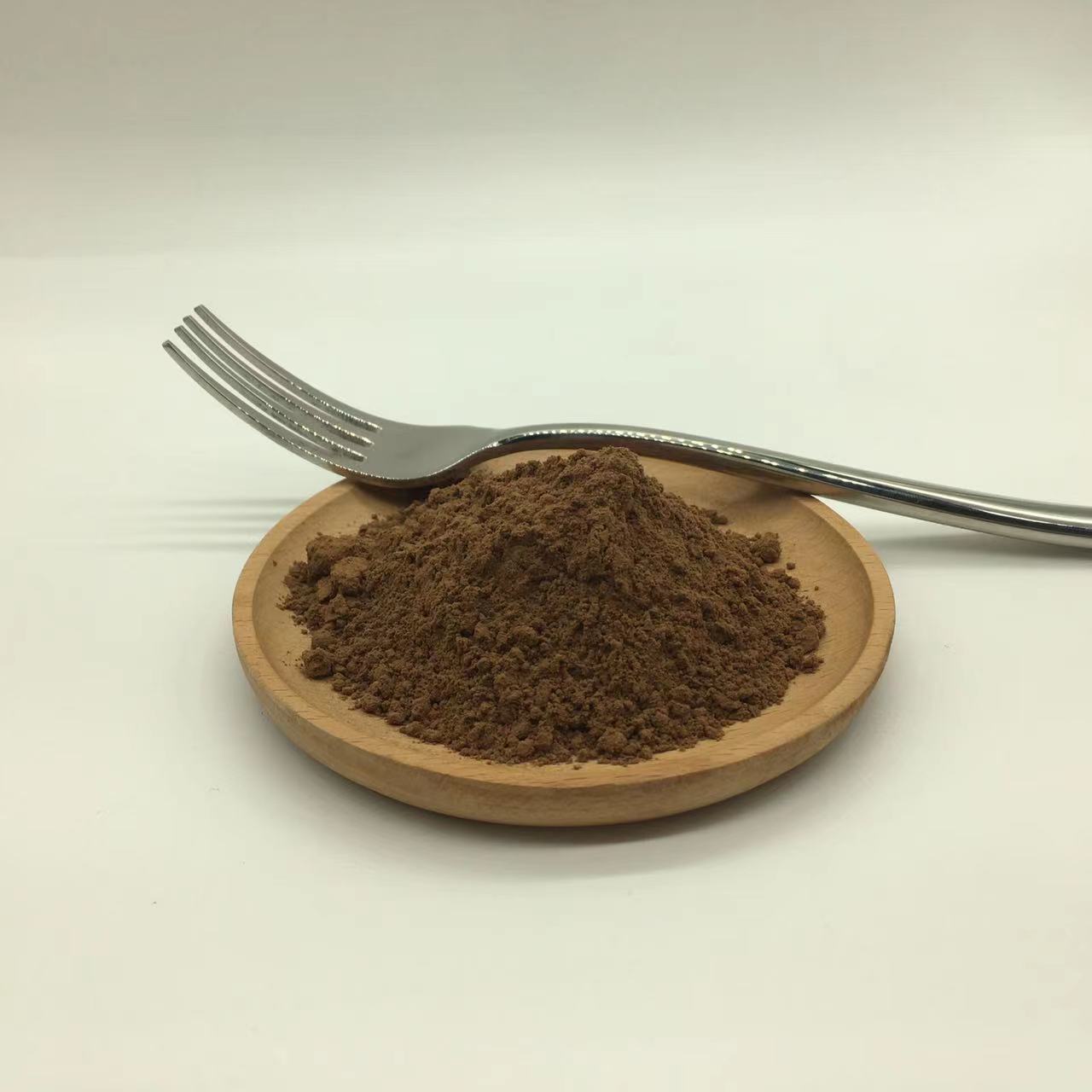
Product marketing requires verifiable, evidence-backed claims. You must avoid exaggerated medical promises. Rely on established biochemical pathways instead. Cardiovascular support is a primary benefit. High flavanol content drives this advantage. Epicatechin is the specific flavanol responsible. It actively supports nitric oxide production in the body. Nitric oxide facilitates vasodilation. It relaxes blood vessels. This process aids blood flow and helps regulate blood pressure. Formulators can highlight these cardiovascular mechanisms confidently. They provide a strong scientific foundation for heart-healthy product lines.
Cognitive and mood enhancement offers another powerful marketing angle. The powder contains natural stimulants and mood-modulating compounds. Theobromine acts as a gentle, sustained energy booster. It lacks the severe crash associated with heavy caffeine use. Phenethylamine promotes positive mood states. It mimics feelings of natural excitement. Tryptophan serves as a crucial serotonin precursor. Serotonin helps regulate mood and sleep. Combining these compounds creates a potent functional profile. Brands can formulate specific "mood-boosting" snacks or beverages. Consumers actively seek products offering these mental wellness benefits.
The health and beauty sector represents a lucrative expansion opportunity. Exceptional antioxidant capacity drives this trend. Experts measure this using ORAC values (Oxygen Radical Absorbance Capacity). The unalkalized powder boasts incredibly high ORAC scores. It significantly outperforms recognized superfoods like blueberries and green tea. High antioxidant intake correlates directly to skin health. It helps maintain cellular hydration and fights free radicals. This creates exciting anti-aging product applications. We see a surge in "beauty chocolates" and ingestible skincare supplements.
Regulatory compliance remains strictly non-negotiable. FDA and EFSA regulations govern all consumer-facing packaging. You cannot claim your product cures or prevents disease. Doing so invites severe legal penalties. Emphasize the importance of compliant language. Use phrases like "may support heart health" or "helps maintain healthy blood flow." Frame cognitive benefits as "supports mental clarity." Adhering to these guidelines protects your brand. It also builds long-term consumer trust. Transparent, scientifically accurate marketing always wins over time.
Manufacturers must understand the crucial differences in processing methods. Natural extraction relies on low-heat or cold-pressed techniques. Processors simply roast, grind, and press the beans. This preserves the original chemical structure. Dutch-processed extraction uses alkaline chemical washing. Processors soak the nibs in a potassium carbonate solution. This chemical wash neutralizes the inherent acidity. The two methods yield vastly different ingredients. Each serves entirely different formulation purposes. Choosing the right one determines your product's success.
Phytonutrient attrition is the critical trade-off here. Alkalization solves some operational challenges. It improves solubility significantly. It also creates a darker, visually appealing color. However, this comes at a steep nutritional cost. The alkaline wash destroys active plant nutrients. It can eliminate up to 50% of the original antioxidants. This severely weakens any functional health claims. You must weigh visual appeal against nutritional integrity. Health-focused brands almost always prioritize nutrient retention. They refuse to sacrifice functional benefits for solubility.
The color and flavor matrices diverge sharply. We rely on these differences to guide product development. The natural variant maintains a lighter brown color. Its flavor profile is complex, fruity, and slightly astringent. It carries a distinct bitter note. The Dutched variant looks entirely different. It ranges from dark reddish-brown to almost black. Its flavor is flat, earthy, and mild. The bitterness largely disappears. This matrix dictates culinary application directly. You cannot swap them indiscriminately without altering the final product.
Below is a comparative evaluation chart to guide your shortlisting logic:
Evaluation Metric | Natural Cocoa Powder | Dutched (Alkalized) Cocoa |
|---|---|---|
Processing | Cold-pressed / Low-heat roasted | Washed in alkaline chemical solution |
pH Level | 5.3 – 5.8 (Acidic) | 7.0 – 8.0 (Neutral to Alkaline) |
Antioxidant Retention | Maximum retention (up to 100%) | Reduced significantly (up to 50% loss) |
Visual Color | Lighter brown, reddish tint | Dark brown to deep black |
Flavor Profile | Complex, fruity, acidic, bitter | Mild, earthy, flat, smooth |
Solubility | Lower (requires emulsification) | Higher (dissolves easily in liquids) |
Use shortlisting logic based on your target demographic. Prioritize the natural option for clean-label products. It works perfectly in raw bars, smoothies, and functional supplements. Artisanal baked goods also benefit from its complex flavor. Reserve the Dutched variant for mass-market applications. It suits instant soluble beverages and dark-colored cookies well. Understanding this logic prevents costly formulation errors. It aligns your ingredient choice directly to your marketing goals.
Baking chemistry dictates how you implement these powders. The pH leavening rule is an absolute mandate. Natural cocoa sits at a pH of 5.3 to 5.8. It is highly acidic. In baked goods, you must pair it appropriately. You must use baking soda. Baking soda is an alkali. When combined, they react immediately. This reaction produces carbon dioxide bubbles. These bubbles cause the batter to rise perfectly. Dutched cocoa lacks this acidity. Therefore, it requires baking powder for leavening. Ignoring this rule causes dense, flat baked goods.
Commercial kitchens need precise recipe conversion formulas. Switching from Dutch-processed requires careful adjustments. You cannot just swap the powders equal-weight. The chemical balance of the entire recipe shifts. Use the following sequential formulas to ensure stability:
Volume Substitution: Replace the powders at an exact 1:1 ratio by volume. Do not alter the base weight of the powder itself.
Leavening Adjustment: Remove the baking powder from the original recipe. Replace it using baking soda. Use roughly one-quarter teaspoon of baking soda for every ounce of powder.
Acid Introduction (If Needed): If substituting natural for Dutch without adjusting the leavening, you must neutralize the acid. Add a neutralizing agent. Cream of tartar, white vinegar, or lemon juice works well.
Fat Balancing: Assess the total fat content. Unalkalized powders occasionally absorb liquids differently. Adjust your liquid fats slightly to prevent dry textures.
Application scenarios vary wildly across different product categories. Formulators must adapt their techniques to the specific environment. Raw and cold formulations bypass traditional baking challenges. Solubility issues become less prominent here. Functional beverages require entirely different handling protocols. You must manage bitterness and texture actively.
Raw & Cold Formulations: Utilize high-speed blending for smoothies. Create vegan mousses using avocado or Medjool dates as a rich base. Develop raw chocolate treats using coconut oil. These environments preserve the delicate antioxidant profiles perfectly.
Functional Beverages: Hot cocoa requires specific blending techniques. The powder resists dissolving naturally. Use emulsifiers like sunflower lecithin to improve mouthfeel. Balance the inherent bitterness using complementary ingredients. Maca root, cinnamon, or Manuka honey mask astringency beautifully.
Protein Snacks: Bind the powder using nut butters or agave syrup. The dense matrix hides minor solubility imperfections. It delivers a massive flavor impact in small bite sizes.
Procurement teams face unique challenges when sourcing raw agricultural products. Quality assurance and testing form your first line of defense. You must request recent Certificates of Analysis (COA) from suppliers. Heavy metal limits demand rigorous scrutiny. Cadmium and lead represent inherent risks in cacao agriculture. The cacao tree absorbs heavy metals from volcanic soils easily. Relying on visual inspections is dangerously inadequate. Only precise laboratory testing guarantees consumer safety. Strict compliance with regional heavy metal limits protects your brand reputation.
Certifications act as vital trust signals for consumers. The return on investment for premium certifications remains high. Sourcing Organic materials mitigates pesticide risks effectively. Consumers actively search for the organic seal. Fair Trade Certified materials ensure sustainable agricultural practices. They guarantee ethical labor conditions at the farm level. These certifications elevate your product positioning. They justify premium retail pricing. They also shield your supply chain from ethical controversies. Investing in certified Natural Cocoa Powder pays long-term dividends.
Operational facilities face a specific toxicity warning. Cross-contamination presents a massive liability. This specifically applies to facilities producing both human and pet food. The unalkalized powder contains high levels of theobromine. Humans metabolize theobromine easily. However, dogs and cats process it very slowly. It acts as a severe neurotoxin for them. Even minor cross-contamination can prove fatal to pets. You must enforce strict physical separation protocols. Dedicated mixing equipment and separate ventilation systems are mandatory.
Standardization presents an ongoing hurdle for natural ingredients. Non-alkalized agricultural products exhibit inherent variations. Batch-to-batch flavor and color shifts occur naturally. Weather patterns and soil conditions dictate these subtle changes. You must manage consumer expectations regarding visual uniformity. Educate your buyers that minor color variations signal natural authenticity. Establish acceptable variance parameters during the R&D phase. Blend multiple raw batches to achieve a more consistent baseline profile. Scalability depends on mastering this blending process.
Choosing the right ingredient dictates the success of functional formulations. Non-alkalized cocoa powder clearly remains the optimal choice. It shines where nutritional integrity outweighs deep color or instant solubility. We see clean-label brands capturing significant market share using this strategy. The cardiovascular, cognitive, and antioxidant benefits provide a compelling marketing narrative. The minor formulation adjustments required are well worth the effort. Embracing its complex flavor profile elevates artisanal and mass-market products alike. You simply cannot replicate these functional benefits using heavily processed alternatives.
Your team should initiate specific next steps immediately. First, direct your procurement team to request fresh sample specifications. They must verify COAs for antioxidant levels and heavy metal thresholds. Second, mandate your R&D lab to conduct small-batch stress tests. They need to map out flavor interactions and precise leavening adjustments. Finally, audit your current supply chain for ethical certifications. Upgrading to Fair Trade and Organic options solidifies your brand authority. Actioning these steps ensures your formulation pipeline remains robust, compliant, and highly profitable.
A: They are very similar, as both are non-alkalized and retain their acidity. The primary difference lies in the processing temperature. Raw cacao is cold-pressed from unroasted beans to preserve maximum enzymes. Natural cocoa powder is lightly roasted before pressing. Both offer excellent functional health benefits compared to Dutch-processed options.
A: Yes, but you must overcome inherent solubility challenges. Non-alkalized powder does not dissolve easily in cold liquids. RTD manufacturers must utilize high-shear blending equipment. You should also incorporate natural emulsifiers like sunflower lecithin or gum acacia to prevent the powder from settling at the bottom.
A: It contains a very small amount of caffeine. A standard tablespoon holds roughly 12 milligrams. In contrast, a cup of brewed coffee contains nearly 100 milligrams. Consumers rarely experience sleep disruption or jitters. The primary stimulant is theobromine, which provides a much smoother, sustained energy lift.
A: The lighter color results directly from the absence of an alkaline wash. Dutch-processed cocoa undergoes chemical alkalization, which artificially darkens the powder to a deep brown or black. Because your powder remains unwashed and acidic, it retains its original, lighter reddish-brown hue in the final baked good.

