



Views: 0 Author: Site Editor Publish Time: 2026-06-10 Origin: Site


Standing in the baking aisle, you stare at two nearly identical bags. One says "cacao" and the other says "cocoa." You might wonder if they are just different spellings of the same ingredient. They are not. Making the wrong choice impacts both recipe chemistry and nutritional outcomes. Grab the wrong bag, and your favorite chocolate cake might fail to rise. You could also end up a dry, bitter mess instead of a fudgy brownie.
Leavening failures often trace back to using the wrong powder. Beyond baking chemistry, these powders offer very different health benefits. You need to know exactly what goes into your shopping cart. This guide breaks down processing methods, nutritional realities, and culinary substitution rules. We will explore exactly how heat changes the bean. Ultimately, you will learn how to make an informed purchasing decision for your pantry.
Processing: Cacao powder is cold-pressed and unroasted; cocoa powder is roasted at high temperatures.
Nutrition: Cacao retains higher levels of flavanols and antioxidants, while cocoa loses some during roasting.
Baking Chemistry: Natural cocoa is acidic and requires baking soda; Dutch-processed (alkalized) cocoa is neutral and requires baking powder.
Interchangeability: They are rarely direct 1:1 substitutes in baked goods due to varying pH levels and fat content.
Every chocolate product begins its journey in the exact same place. Both powders originate from the pods of the Theobroma cacao tree. The distinction between them is entirely a manufacturing classification. It is not a botanical difference. The core divergence happens after farmers ferment and dry the beans. Temperature plays the deciding role.
Producers make cacao powder by milling unroasted, fermented beans at very low temperatures. They prioritize keeping the beans as close to their natural state as possible. This "raw" processing method preserves sensitive enzymes. It also retains a slightly higher fat content. The cold-pressing technique separates the rich cacao butter from the fibrous solids. Once separated, producers mill these raw solids into a fine dust. You get a robust, nutrient-dense ingredient.
Manufacturers take a different path for standard baking powders. They take those same fermented beans and roast them at high temperatures. This roasting phase changes everything. Heat develops the traditional, rich chocolate flavor profile we all recognize. However, it also alters the molecular structure of the bean. The heat degrades some of the delicate nutritional compounds. Once roasted, machines press the beans to remove cocoa butter. Finally, they grind the remaining solids into powder.
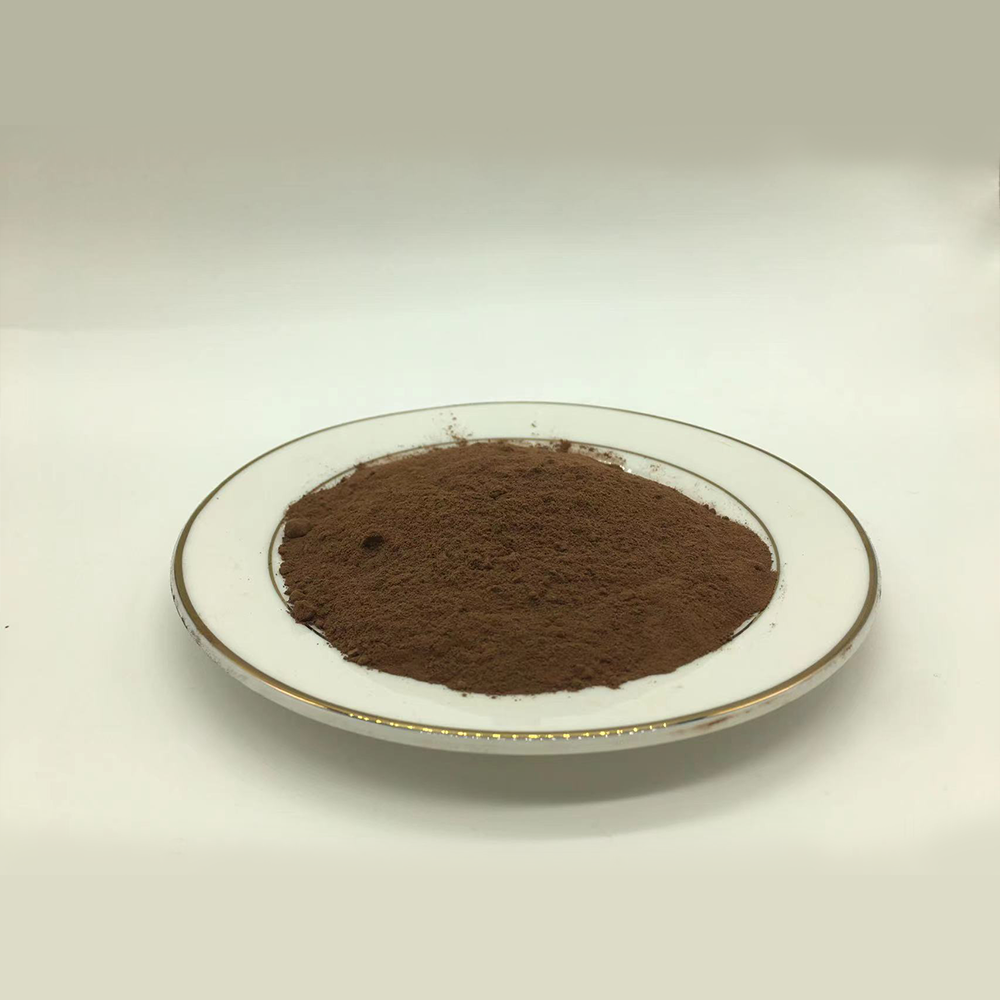
Walking into a grocery store reveals an overwhelming commercial market. You must evaluate your options carefully. Not all roasted powders behave the same way in the kitchen. We can segment the market into three distinct categories.
Natural Cocoa Powder remains untreated after the roasting and grinding process. It retains a highly acidic profile. The pH level typically sits between 5.3 and 5.8. Because it lacks chemical intervention, it looks lighter in color. It delivers a sharp, fruity flavor. Many bakers prefer it for traditional recipes because of this bright, intense profile.
Producers create Alkalized Cocoa Powder using a technique called Dutch-processing. They wash the beans in a potassium carbonate solution. This chemical bath neutralizes the natural acidity. The pH rises to a neutral 6.8 to 8.1. Alkalization fundamentally changes the ingredient. It darkens the color significantly. It mellows the sharp flavor into a smooth, earthy tone. Furthermore, it improves solubility in liquids. This makes it perfect for hot beverages.
Bakers seeking dramatic visual impact turn to Black Cocoa Powder. This product undergoes ultra-alkalization. The prolonged chemical wash pushes the pH even higher. It strips away almost all acidity and most of the fat content. You recognize its specific use case immediately. It gives Oreo cookies their iconic dark color and distinct, earthy flavor. You rarely use it alone. Bakers usually blend it with standard Dutch-processed versions to maintain moisture in cakes.
Powder Type | pH Level | Acidity | Color |
|---|---|---|---|
Raw Cacao | ~5.3 - 5.8 | High | Light Brown |
Natural Cocoa | 5.3 - 5.8 | High | Light/Medium Brown |
Alkalized (Dutch) | 6.8 - 8.1 | Neutral | Dark Brown |
Black Cocoa | ~8.0+ | Neutral/Basic | Jet Black |
Health and wellness brands frequently market raw powders as superior superfoods. We need to evaluate these claims through an evidence-oriented lens. We must separate marketing hype from nutritional realities.
Marketers claim cacao vastly outperforms its roasted counterpart. This claim holds partial truth. Raw cacao does have a higher baseline of antioxidants. It retains more magnesium and iron because it avoids extreme heat. However, roasting does not eradicate all benefits. Standard roasted powders still provide respectable amounts of flavanols. You still gain heart-health benefits from consuming them. The drop-off in nutrients happens, but it does not render the roasted version nutritionally void.
The real nutritional degradation happens during Dutch-processing. The alkalization process significantly reduces phytonutrients. Washing beans in potassium carbonate strips away many beneficial antioxidant compounds. It degrades these elements far more than simple heat roasting does. If maximizing health benefits is your goal, avoid heavily Dutch-processed varieties.
You must practice healthy skepticism in the grocery aisle. Commercial drink mixes often masquerade as healthy options. These mixes usually contain heavy doses of added sugars. They rely heavily on artificial emulsifiers. These additives negate the inherent health benefits of either base powder. Always read the ingredient label. Ensure you purchase 100% pure powder. You want one ingredient listed, nothing else.
Swapping ingredients blindly invites disaster in the kitchen. We see this frequently in baking forums. The highest risk for users is ruined baked goods. Baking is precise chemistry. Acidity dictates how cakes rise and how cookies spread.
You must match your powder to the correct leavening agent. This rule prevents dense, collapsed cakes. Acidic ingredients require basic leavening agents to react properly. Neutral ingredients require leavening agents containing built-in acids. Memorize this simple framework:
Use Baking Soda: Pair it with acidic, untreated powders. The baking soda reacts with the natural acids to create carbon dioxide bubbles.
Use Baking Powder: Pair it with neutral, Dutch-processed powders. Baking powder already contains acid. It does not need acidic ingredients to activate.
Many health-conscious bakers try substituting raw cacao directly into traditional recipes. This rarely ends well. Raw powders absorb significantly more liquid than roasted varieties. They also have highly variable acidity levels depending on the brand. Substituting raw powder 1:1 often results in dense, incredibly dry cakes. The leavening reaction fails because the acidity is unpredictable.
We firmly recommend against 1:1 blind swaps in precision baking. Sometimes a swap is absolutely mandatory. If you find yourself in a pinch, you can follow a transparent workaround formula. Use these steps to alter your leavening agents:
Replacing Dutch with Natural: If the recipe calls for Dutch-processed but you only have natural, you must adjust the leavening. Omit the baking powder. Use half the amount of baking soda instead.
Replacing Natural with Dutch: If the recipe needs natural but you only have Dutch-processed, do the reverse. Replace the baking soda with twice the amount of baking powder.
Liquid Adjustment: If substituting raw powder into a roasted powder recipe, increase your liquid by one to two tablespoons to prevent dry textures.
Every recipe has a desired end-state. You must map the specific ingredient features to your expected outcomes. Understanding flavor profiles helps you choose the perfect ingredient for your dish.
Raw versions offer a highly complex, slightly bitter taste. The flavor feels very earthy and unrefined. It lacks the deep, warm notes associated with classic desserts. This makes it perfect for no-bake applications. Use it in raw vegan recipes, energy bites, and breakfast smoothies. Heat destroys its unique nutritional edge, so avoid baking it when possible.
The natural roasted version delivers a sharp, acidic punch. It has a classic chocolate finish with distinct fruity undertones. This bright flavor cuts through heavy fats like butter and oil. It stands out perfectly in traditional brownies. Use it for chewy chocolate chip cookies and rich chocolate cakes. It balances heavy sweetness beautifully.
Dutch-processed powders provide a totally different sensory experience. The chemical wash removes the sharp fruity notes. It leaves behind a smooth, mellow, and woody flavor profile. It dissolves effortlessly in liquids. This makes it the absolute best choice for homemade hot chocolate. Pastry chefs prefer it for ice creams, puddings, and fudgy dark pastries. It delivers a rich, comforting depth without any bitter aftertaste.
Choosing the correct product does not have to be stressful. You can streamline your grocery shopping using a simple shortlisting logic. Base your decision entirely on your typical kitchen habits.
Optimize for Health and Smoothies: Choose organic, raw Cacao Powder. Keep it out of the oven to preserve its antioxidants.
Optimize for General Baking: Keep a standard natural roasted powder as your main pantry staple. Most classic American recipes assume you are using this type.
Optimize for Beverages and Deep Color: Stock up on alkalized or black varieties. Use them for drinking chocolate, frostings, and striking visual presentations.
Before you finalize your shopping list, execute one crucial step. Open your favorite recipes and check the ingredients list. Look specifically for the leavening agents. If you see baking soda, buy natural powder. If you see baking powder, buy the Dutch-processed version. Matching the chemistry guarantees success. Checking your recipe notes first ensures you buy the chemically correct powder.
Navigating the chocolate aisle requires understanding processing techniques and basic kitchen chemistry. The "better" option depends entirely on your specific end goal. If you prioritize raw nutrition and antioxidant retention, unroasted powders win easily. If you value culinary functionality, rich flavor, and reliable rising, roasted powders take the crown.
Never forget the golden rule of baking chemistry. Always match the powder's acidity to the recipe's leavening agent. Keep your ingredients aligned with your recipes, read your labels for hidden sugars, and your next chocolate creation will turn out perfectly.
A: Yes, you can drink it, but it requires extra effort. Natural powder resists dissolving in liquids and tastes quite acidic. You will need to whisk it vigorously into warm milk. You must also add sweeteners to balance the sharp, bitter flavor profile. Dutch-processed versions dissolve much easier for beverages.
A: Yes, it generally contains slightly more caffeine. The low-temperature processing preserves more of the natural alkaloids, including caffeine and theobromine. High-heat roasting degrades some of these stimulants. However, the difference is usually minimal. Neither powder contains enough caffeine to mimic a strong cup of coffee.
A: Your cake sank due to a leavening reaction failure. Dutch-processed powder is neutral and usually paired with baking powder. Cacao is acidic. Adding an acidic powder to a recipe designed for a neutral one disrupts the pH balance. The batter failed to produce enough gas bubbles to support the cake's structure.

