



Views: 0 Author: Site Editor Publish Time: 2026-05-29 Origin: Site


Choosing the right ingredient goes far beyond simple flavor enhancement. The cocoa you select functions as a critical structural and chemical component in both baked goods and frozen desserts. It dictates moisture retention, rise, and final texture. Using the wrong type of powder often leads to frustrating culinary disasters. You might end up baking flat cakes, crumbly brownies, or mixing icy, poorly emulsified ice cream. These specific issues usually stem from mismatched pH levels or incorrect fat percentages failing your recipe. We aim to solve this selection problem for you right here. This guide provides a transparent, science-backed framework to evaluate and choose the perfect cocoa product. You will learn to properly match application, fat content, and processing methods. This knowledge ensures consistently excellent results across your entire dessert menu.
Chemistry dictates usage: Natural cocoa powder requires baking soda; Dutch-processed (alkalized) requires baking powder. Mismatching these alters recipe texture and rise.
Fat content is the quality differentiator: Supermarket brands typically contain 10-12% cocoa butter, whereas premium/professional grades contain 20-24%, directly impacting moisture and mouthfeel.
Application matching is critical: Brownies and ice creams benefit from high-fat, heavily alkalized powders, while lighter cakes may require the acidity and fruitiness of natural cocoa.
Label transparency matters: The best choices explicitly state their fat percentage, processing method, and bean origin.
We must understand the core chemical differences to make informed baking decisions. Natural varieties and Dutch-processed options behave completely differently in recipes. Natural Cocoa Powder remains highly acidic by nature. It typically sits between 5.3 and 5.8 on the pH scale. This inherent acidity requires baking soda for proper neutralization. The chemical reaction between these two ingredients creates carbon dioxide gas. This gas aggressively lifts the bake. It creates a highly desirable tender crumb. Professional pastry chefs rely on this specific reaction for light sponges. Without this necessary acid-base reaction, your batters simply will not rise.
Conversely, manufacturers treat Dutch-processed options using an alkaline solution. This historic process washes away harsh acidity. It brings the pH to a neutral 7.0 or even 8.0. You must pair this alkaline ingredient alongside baking powder. Baking powder already contains its own acid. This pairing ensures proper leavening without relying on the cocoa. Mismatching your chemical leaveners creates distinct soapy flavors in the finished dessert.
Fat content dictates overall product quality. Standard grocery store options contain around 10-12% fat. High-fat professional grades feature 20-24% fat. This higher percentage directly maps to vastly superior outcomes. High fat yields exceptionally fudgy brownies. It creates incredibly tender cakes. It also produces much smoother ice cream by preventing moisture loss. The extra fat acts as a physical barrier against starch crystallization. It coats the flour proteins during mixing. This prevents tough gluten formation in your batters. You achieve a much softer mouthfeel when using high-fat ingredients.
Black cocoa represents a fascinating, highly specialized niche category. Manufacturers heavily alkalize these specific beans. They push the pH level incredibly high to achieve an ultra-dark profile. It provides a striking, Oreo-like black color. However, you trade away complex chocolate flavors for visual impact. The extreme alkalization strips away nuanced fruity notes. You often need to blend this dark ingredient alongside standard Dutch options. Blending this ultra-dark Cocoa Powder alongside standard Dutch options restores flavor depth. This strategic blending maintains the dramatic, dark color while delivering true chocolate flavor.
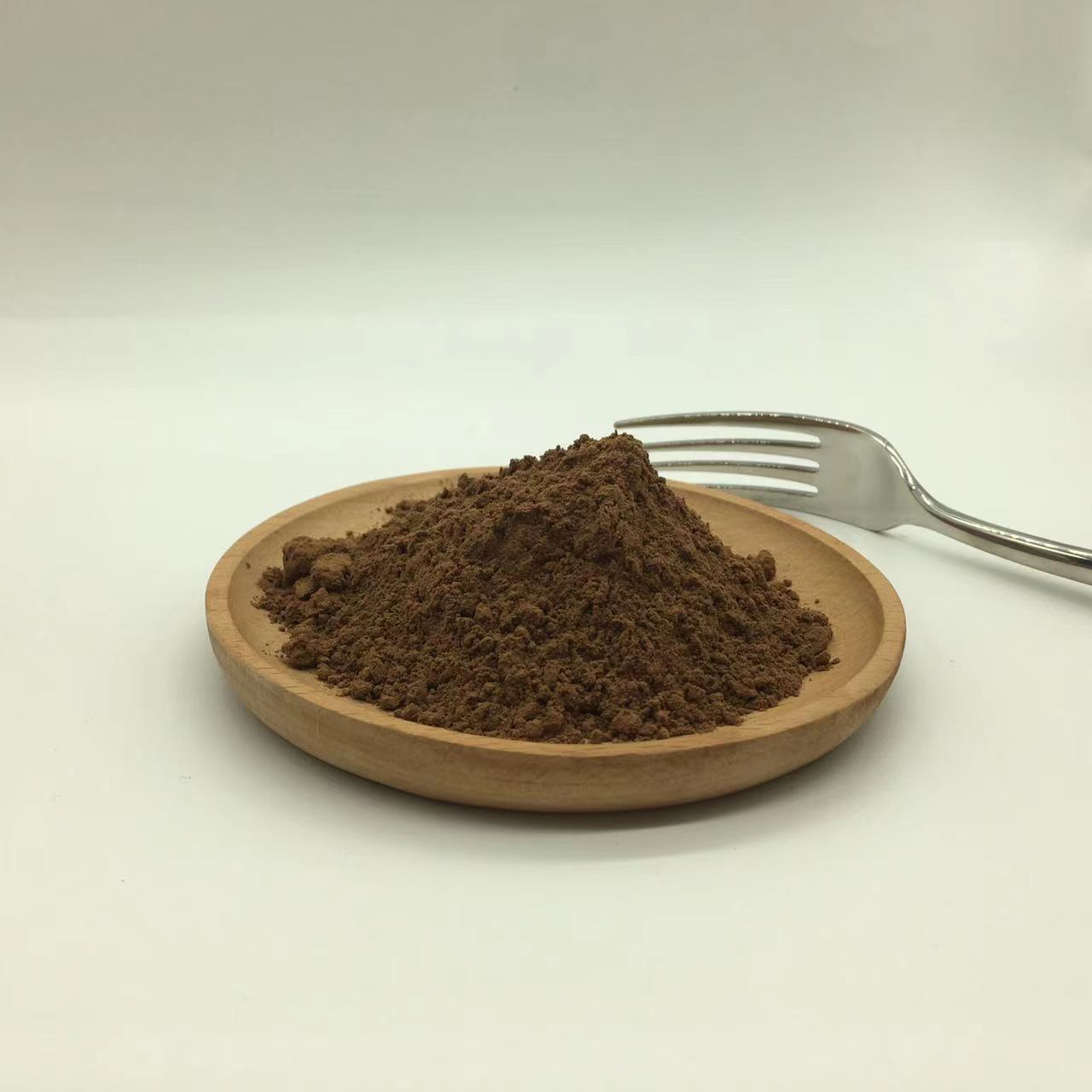
You need clear, objective metrics to assess quality before purchasing bulk ingredients. Solubility and hydration stand out as critical performance factors. These traits matter immensely for ice cream bases and commercial syrups. You must carefully assess how well the product incorporates into liquids. High-quality options dissolve smoothly without forming stubborn clumps. They should never require excessive shear force during the mixing phase. Poor solubility often indicates inferior processing or stale product.
Origin directly influences the final aromatic flavor profile. Beans sourced from Madagascar usually deliver bright, fruity, and acidic notes. They work beautifully in lighter, natural dessert applications. These beans highlight the complex terroir of their growing region. Conversely, West African beans often provide earthy, robust, and deeply nutty flavors. Manufacturers frequently select these specific beans for Dutch-processed varieties. The robust nature holds up well against the alkalizing process without losing its chocolate essence.
Color stability represents another crucial evaluation metric for professionals. You need to know how the hue holds up post-bake or post-freeze. Alkalized Cocoa Powder consistently resists fading under intense oven heat. It also maintains its visual appeal through deep freezing cycles. Natural options sometimes turn pale or gray when exposed to extreme temperatures. You protect your visual presentation by choosing highly stable alkalized variants.
Finally, carefully consider certifications and strict compliance standards. Commercial buyers and health-conscious consumers rightfully demand total transparency. You should actively look for Fair Trade, Organic, and non-GMO labels. These certifications prove responsible sourcing practices. Heavy metal testing compliance also ensures absolute product safety. Reputable manufacturers will gladly provide testing certificates upon request.
We can map specific ingredients to their ideal culinary applications. This strategic decision matrix simplifies the selection process for different recipes. It removes the guesswork from your production schedule.
Application | Ideal Powder Type | Recommended Fat Content | Key Outcome Benefit |
|---|---|---|---|
Cakes & Cupcakes | Natural or Standard Dutch | 10% - 12% | Optimal rise and delicate, tender crumb structure |
Brownies & Cookies | Premium Dutch-Processed | 20% - 24% | Dense, chewy texture and intense fudge flavor |
Ice Cream & Sorbet | Heavily Alkalized | 20% - 24% | Smooth mouthfeel, deep color, prevents crystallization |
Bakers prioritize an optimal rise and a tender crumb here. You also want a perfectly balanced chocolate flavor profile. Standard Dutch-processed options often provide the best overall results. A 10-12% fat content creates a classic, fluffy crumb. This moderate fat level prevents the cake from becoming overly dense. This choice works perfectly if your recipe uses baking powder. However, you should switch to natural varieties if the formula relies heavily on baking soda. The natural acidity ensures maximum chemical lift for airy, light cakes. Mismatching these elements will result in a soapy aftertaste.
These decadent treats demand a completely different formulation approach. Success means achieving a chewy texture and a dense, heavy structure. You want an intense fudge flavor in every single bite. High-fat Dutch-processed options are strictly mandatory for this specific category. You absolutely need that elevated 20-24% fat content. The extra cocoa butter effectively replaces lost moisture during the baking process. This specific fat ratio directly creates the coveted crackly top. It also ensures a dense, rich center rather than a dry, cakey crumb. Using low-fat powder here guarantees dry, crumbly brownies. The lack of fat forces the starches to pull moisture from eggs and butter. This leaves the final product tasting stale almost immediately after cooling.
Frozen applications face highly unique formulation and freezing challenges. Success requires a completely smooth mouthfeel and zero icy texture. You also want deep visual color and rapid dissolution in cold dairy bases. High-fat, heavily alkalized ingredients solve these technical problems perfectly. The higher pH provides a significantly darker, more appetizing visual color. Meanwhile, the elevated fat content works absolute chemical magic. It actively prevents the water content found in milk from crystallizing. Ice crystals ruin the texture of premium frozen desserts. The extra butterfat guarantees a creamy, luxurious scoop every single time. It also prevents the dairy base from separating during the churning process.
Substituting ingredients without adjusting the underlying math invites disaster. We strongly warn against simple 1:1 substitutions between natural and Dutch-processed options. You cannot swap them blindly without simultaneously adjusting your leavening agents. Changing the pH balance requires careful, precise baking math adjustments. A direct swap will inevitably ruin the texture and collapse the rise. It often leaves a metallic or soapy flavor in the finished product. Always recalculate your baking soda and powder ratios before switching ingredients.
Supply chain reliability matters deeply for high-volume commercial bakers. Artisanal and single-origin products often vary wildly by harvest season. They change based on rainfall and soil conditions. This inconsistency makes standardized commercial production very difficult. Blended commercial powders offer far superior batch-to-batch consistency. They ensure your signature recipes taste exactly identical year-round. You protect your brand reputation by prioritizing consistent ingredient performance.
Proper storage practices dramatically extend ingredient shelf life. This fine powder acts like a sponge for ambient aromas. It actively absorbs strong odors from its immediate surroundings. It also pulls moisture directly from the humid air. You must use airtight, temperature-controlled storage containers at all times. This simple practice prevents flavor degradation and frustrating clumping issues. Keep your inventory far away from strong-smelling spices, onions, or heat sources.
Here are common storage mistakes to avoid:
Storing bulk bags directly on concrete floors where moisture gathers.
Leaving bags unsealed near commercial ovens or warm proofing boxes.
Using transparent containers exposed to direct, degrading sunlight.
Storing chocolate ingredients near pungent savory spices like cumin.
You can confidently evaluate your purchasing options using a few simple steps. Start by thoroughly auditing your current recipe collection. Determine exactly how your existing formulas achieve their required lift. Recipes relying heavily on baking soda absolutely need acidic natural options. Formulas using baking powder require neutral Dutch options. Document these requirements clearly for your purchasing team.
Next, learn to decode the standard nutrition label accurately. Many brands deliberately obscure their actual fat percentage. You can easily calculate this critical figure yourself. Divide the grams of fat per serving by the total serving weight in grams. Multiply this result by one hundred. This simple mathematical formula reveals the exact fat percentage. Always aim for 20-24% when manufacturing premium, high-margin desserts. Avoid brands hiding behind vague marketing claims without stating their actual fat content.
Finally, conduct a practical hydration test before purchasing bulk quantities. You need to see how the product behaves in real kitchen conditions. This test reveals the true quality of the milling process.
Measure a small ten-gram sample of your prospective powder.
Bloom it gently in warm water or melted butter.
Observe the immediate aroma release and fragrance intensity.
Assess the overall solubility and carefully look for stubborn clumps.
Taste the bloomed mixture for metallic off-notes or excessive bitterness.
This simple testing protocol quickly separates premium ingredients from low-quality substitutes. It prevents costly large-scale production errors before they occur.
Selecting the ideal chocolate ingredient transforms standard recipes into extraordinary desserts. There is no single universal solution for every culinary challenge. You must tailor your ingredient selection to the specific structural demands of your application. Keep a high-fat Dutch-processed variety stocked for dense brownies and creamy ice creams. Simultaneously, maintain a supply of high-quality natural powder for traditional, airy cakes. Take a moment today to review your current pantry or bakery inventory. Check your product labels specifically for the "processed with alkali" designation and calculate the exact fat content. Adjusting your purchasing strategy right now will immediately elevate your next baking project.
A: Direct substitutions carry significant chemical risks. Natural options rely on acidic reactions with baking soda for lift. If you use Dutch-processed powder instead, the batter lacks the necessary acid. Your cake will turn out dense and flat. To substitute safely, you must replace the baking soda with twice the amount of baking powder. This adjustment restores the required leavening power.
A: This phrase represents the mandatory legal labeling term for Dutch-processing. It does not indicate the presence of dangerous chemical additives. Manufacturers wash the beans in a mild potassium carbonate solution. This traditional step neutralizes the natural acidity. It darkens the color and creates a smoother, more mellow flavor profile suitable for modern baking.
A: This ingredient does not spoil like fresh dairy products. However, its complex flavor compounds slowly evaporate over time. The natural fat content can also oxidize after one to two years. Using old ingredients leads to flat-tasting, underwhelming baked goods. Always store your supply in an airtight container away from heat to maximize its usable lifespan.
A: Clumps form because the high fat content repels cold water. You can prevent this by blooming the powder first. Whisk it vigorously into a small amount of hot liquid or warm melted butter. Alternatively, sift it thoroughly with your dry ingredients before adding any moisture. Both methods guarantee a perfectly smooth, fully integrated batter.

