



Views: 0 Author: Site Editor Publish Time: 2026-05-29 Origin: Site


Formulating commercial baked goods, beverages, and confectionery requires ingredients delivering absolute consistency at scale. You cannot afford unexpected batch variations when producing millions of units. A minor shift in acidity or moisture can derail an entire production timeline. The choice between natural and alkalized cocoa is not just about taste. It fundamentally alters the pH, leavening mechanics, solubility, and visual profile of your end product. Choosing the wrong ingredient often leads to collapsed cakes, grainy syrups, and unpredictable colors.
For procurement teams and R&D food scientists, specifying the correct Alkalized Cocoa Powder mitigates formulation risks. It guarantees batch-to-batch uniformity across global production lines. In this comprehensive technical guide, we cover the exact mechanics, performance criteria, and procurement strategies you need. You will learn exactly how to align alkalization levels with your specific commercial product goals.
Standardized Flavor & Color: Alkalization neutralizes natural acidity, yielding a mellower flavor and richer, darker color profiles essential for commercial standardization.
Formulation Chemistry: Shifting the pH from acidic to neutral/alkaline requires precise adjustments to leavening agents (relying on baking powder rather than baking soda).
Improved Solubility: Alkalized cocoa powder suspends more effectively in liquids, making it the industry standard for commercial dairy and beverage production.
Specification Variance: Procurement requires matching the degree of alkalization (light, medium, or heavy/black) to exact product requirements and supplier Certificates of Analysis (CoA).
Understanding the chemistry behind cocoa processing helps R&D teams solve complex formulation challenges. Natural cocoa solids carry a high degree of natural acidity. This acidity causes astringent flavors and complicates specific manufacturing processes. The industrial solution is alkalization.
The industry commonly refers to alkalization as the "Dutching" process. It involves washing raw cocoa nibs with a highly precise alkaline solution prior to roasting and grinding. Manufacturers typically use potassium carbonate for this step. Some budget-tier processes use sodium carbonate or sodium hydroxide, but potassium carbonate remains the premium standard. It delivers the cleanest flavor profile.
During this stage, the alkaline solution penetrates the cellular structure of the cocoa nibs. The process requires careful monitoring of temperature, pressure, and time. If the manufacturer leaves the solution on too long, the nibs degrade. If they wash them too briefly, the acid neutralization remains incomplete. This industrial washing standardizes the ingredient, making Alkalized Cocoa Powder highly reliable for mass production.
The primary technical outcome of the Dutching process is a dramatic shift in pH. Natural cocoa powder is quite acidic. It usually registers a pH between 5.3 and 5.8. This acidity brings sharp, fruity notes, but it also causes formulation headaches in pH-sensitive recipes.
Alkalized processing pushes the pH up significantly. The final pH ranges from 6.8 up to 8.1 or higher. This shift moves the ingredient from an acidic state into a neutral or slightly basic state. This chemical change eliminates the tartness. It provides a smooth, predictable canvas for commercial food scientists.
Property | Natural Cocoa Powder | Alkalized Cocoa Powder |
|---|---|---|
Average pH Range | 5.3 – 5.8 (Acidic) | 6.8 – 8.1+ (Neutral to Alkaline) |
Flavor Profile | Sharp, fruity, acidic, complex | Smooth, mellow, earthy, straightforward |
Color Hue | Light brown to reddish-brown | Warm mahogany to deep black |
Leavening Requirement | Baking Soda (Sodium Bicarbonate) | Baking Powder |
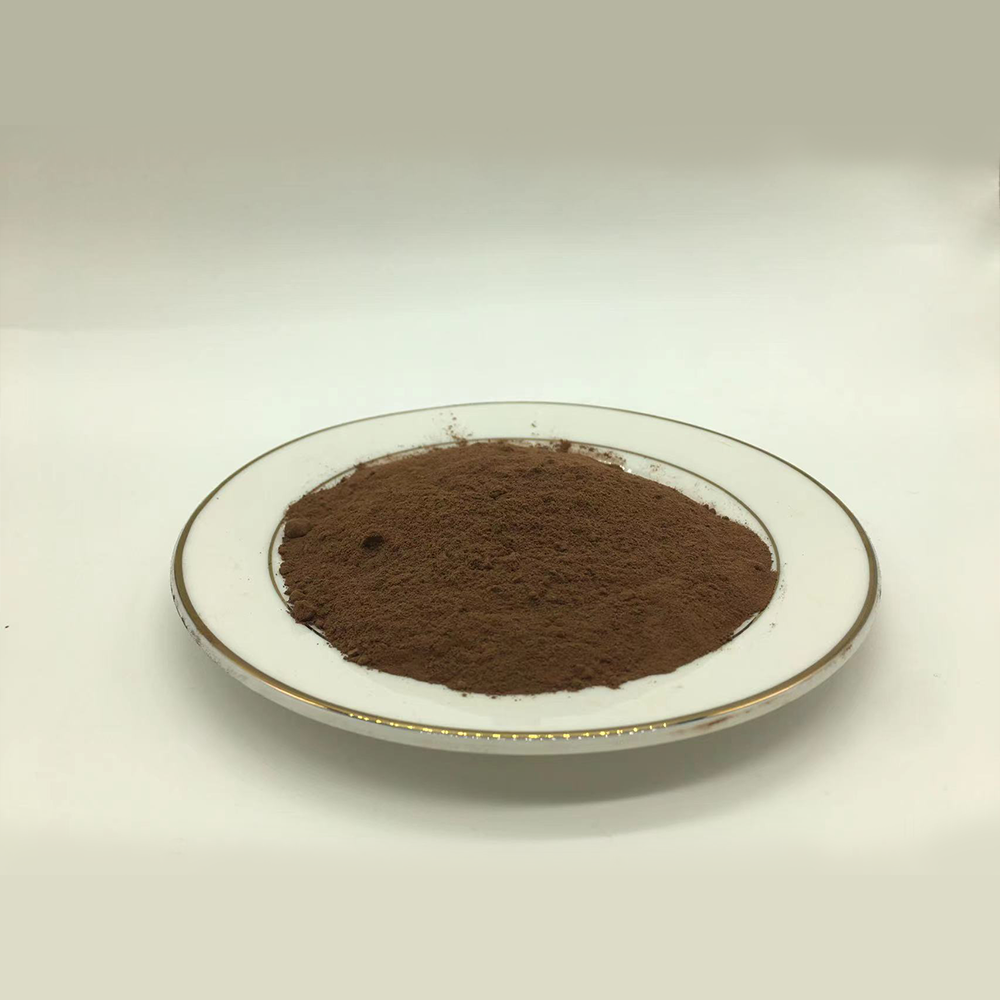
Beyond pH, the alkaline bath permanently alters the physical properties of the cocoa solids. It modifies the cellular matrix, neutralizing harsh acidic compounds. It significantly reduces overall astringency. Furthermore, it triggers intense pigmentation changes. The cocoa turns visibly darker. Depending on the exact chemical concentration, the resulting powder can achieve hues ranging from warm red to midnight black.
Commercial bakeries cannot simply swap natural cocoa for alkalized cocoa. Doing so triggers catastrophic failures in texture, volume, and visual appeal. You must evaluate the ingredient through three critical lenses.
You must respect a core formulation rule in commercial baking: alkalized cocoa lacks the natural acidity needed to activate sodium bicarbonate (baking soda). Baking soda requires an acidic counterpart to release carbon dioxide gas. Without this gas, doughs and batters fail to rise.
When you transition to Alkalized Cocoa Powder, you must reformulate your leavening system. You must switch primarily to baking powder. Baking powder contains its own acid (usually sodium acid pyrophosphate or monocalcium phosphate). This self-contained acid ensures proper lift and optimal crumb structure. Failure to adjust this balance results in dense, soapy-tasting baked goods.
Using a 1:1 replacement ratio for baking soda to baking powder (baking powder requires higher volumes).
Ignoring the pH of other ingredients like buttermilk or molasses, which can alter the total batter acidity.
Failing to test the spread rate of cookies after shifting leavening agents.
Commercial ovens interact distinctively with alkalized cocoa. Heat accelerates the Maillard reaction. When you bake with alkalized solids, the high pH promotes a deeper, richer color development. You can achieve predictable visual outcomes at scale.
Think of classic sandwich cookies. Their iconic dark color comes entirely from heavily alkalized cocoa. Food scientists leverage specific alkalization grades to dial in exact brand colors. From warm red velvet cakes to deep black cookie wafers, the degree of Dutching controls the final oven rendering.
You must assess how cocoa interacts with commercial fats like butter, palm oil, or shortenings. Alkalized powder absorbs liquids differently than its natural counterpart. It often feels slightly drier in heavy dough applications.
High-fat alkalized powders deliver richer mouthfeel and extend the perceived shelf life of soft baked goods. Low-fat variants work better in dry mixes and extruded snacks. You must align the cocoa butter content with your primary fat source to maintain texture stability over a long shelf life.
The beverage and confectionery sectors rely heavily on alkalization. The process solves physical suspension problems and masks unwanted flavor notes in mass-market products.
Natural cocoa is notoriously difficult to dissolve. It clumps, floats, and resists hydration. The alkaline washing process changes the surface tension of the cocoa particles. This gives alkalized cocoa a massive physical advantage in liquid matrices.
It wets out much faster. It breaks down rapidly in industrial mixers. More importantly, it stays suspended longer in liquid. This prevents unappealing sedimentation at the bottom of Ready-to-Drink (RTD) beverages. For chocolate milk, protein shakes, and café syrups, you absolutely need this improved solubility to ensure product stability.
Mass-market milk chocolate requires a gentle flavor profile. Natural cocoa often presents sharp, bitter notes that clash with dairy. The Dutching process reduces these bitter and astringent compounds.
By flattening the chocolate's natural acidity, secondary flavor notes emerge more clearly. Ingredients like vanilla extract, caramelized sugar, and milk powders shine through. This smooth, controlled flavor profile appeals broadly to mainstream consumers. It prevents the chocolate from overpowering delicate fillings or dairy bases.
In chocolate manufacturing, rheology dictates production efficiency. Rheology refers to how the chocolate flows when melted. Cocoa powder must interact perfectly with industrial emulsifiers like soy lecithin or PGPR.
Alkalized particles generally disperse more evenly in fat systems than natural particles. This synergy improves the flow properties of liquid chocolate. It makes it easier to pump through factory pipes. It ensures uniform coating for enrobed candies. Proper emulsifier synergy reduces the total amount of expensive cocoa butter needed to achieve the correct viscosity.
Pre-blend the alkalized cocoa with granulated sugar to separate particles before adding fat.
Introduce liquid fats slowly while running mixers at low shear to prevent clumping.
Add soy lecithin only at the very end of the conching process to maximize viscosity reduction.
Monitor the mixing temperature carefully; excessive heat can degrade the emulsifier's performance.
Procurement teams face a dizzying array of cocoa specifications. Selecting the right grade prevents costly manufacturing errors. You must match the degree of alkalization directly to the end product's physical and sensory goals.
Alkalization Procurement Chart | |||
Alkalization Level | pH Range | Primary Color | Best Commercial Applications |
|---|---|---|---|
Lightly Alkalized | 6.5 - 7.2 | Medium Red-Brown | Standard cakes, milk chocolate, dusting powders. |
Medium Alkalized | 7.2 - 7.6 | Deep Mahogany | Brownies, dry cookie mixes, hot cocoa, compound coatings. |
Heavily Alkalized (Black) | 7.6+ | Dark Charcoal to Black | Sandwich cookies, ice cream inclusions, dark wafers. |
We recommend lightly alkalized powders for products requiring a balance. It retains a noticeable chocolate flavor while offering mild color enhancement. This grade is the standard choice for everyday cake mixes, basic milk chocolate bars, and instant dessert puddings. It provides a familiar, comforting chocolate profile without extreme dark coloration.
Medium alkalized powder serves as the industry workhorse. If a formula calls broadly for "Dutch-process cocoa," this is usually the target. It offers deep, appealing brown hues. The flavor remains smooth but robust enough to stand up to heavy baking processes. It serves as the ideal base for mass-market brownies, premium cookie doughs, and bulk hot cocoa mixes.
Manufacturers purpose-build heavily alkalized cocoa for extreme visual impact. The aggressive processing strips away almost all traditional chocolate flavor. Instead, it leaves an earthy, distinctively dark profile. You use this grade primarily for color. It dominates dark cookie wafers, dark ice cream inclusions, and specialized decorative coatings. Use it sparingly or blend it with lighter cocoas to balance the flavor.
Procurement teams must demand strict documentation. Relying on generic specifications invites disaster. You must require batch-specific Certificates of Analysis (CoA) from your suppliers.
The CoA must verify the exact fat content. The CoA must also confirm the exact pH level. Finally, verify microbiological safety. Because the alkalization process raises the pH, the powder becomes slightly more susceptible to certain microbiological growths if stored improperly. Demand strict salmonella and enterobacteriaceae testing protocols.
Transitioning a legacy product line to a new cocoa specification carries inherent risks. You must navigate technical hurdles and regulatory requirements to ensure a successful launch.
Switching a legacy product from natural to alkalized cocoa requires significant R&D investment. You cannot execute a simple ingredient swap. Food scientists must spend weeks balancing leavening ratios. They must adjust hydration levels to account for differing starch gelatinization behaviors.
Furthermore, production lines might require recalibration. Mixing times often change. Baking temperatures might need slight adjustments to prevent over-darkening. Factor these R&D and downtime costs into your initial project budgets.
Many brands fall into the trap of over-alkalization. They specify a highly alkalized powder because they want a premium, dark visual appearance. However, heavy alkalization strips away volatile flavor compounds.
If robust chocolate flavor is your primary success metric, heavy alkalization will disappoint your consumers. The product will look incredible but taste flat and earthy. To avoid this pitfall, we recommend blending. Mix a medium alkalized powder for flavor with a small percentage of black cocoa for color depth.
You must address strict regulatory requirements. The FDA and international bodies mandate specific ingredient declarations. You cannot simply list "cocoa" on your packaging if you use the Dutch process. You must legally label the ingredient as "cocoa processed with alkali."
This labeling requirement impacts "clean label" marketing initiatives. Some consumers actively avoid chemically sounding additives. While potassium carbonate is entirely safe and standard, the word "alkali" can trigger consumer hesitation. Marketing and regulatory teams must align on messaging before finalizing the ingredient switch.
Alkalized cocoa powder serves as an engineered ingredient designed specifically for predictability, visual impact, and process efficiency. It solves the critical consistency challenges faced in commercial baking, confectionery, and beverage manufacturing. By neutralizing natural acids, it standardizes your flavor profile. It deeply enhances product color. Crucially, it dramatically improves solubility in liquid applications.
To successfully integrate this ingredient, you must take calculated steps. We highly recommend that your R&D teams pilot small-batch test runs first. Measure the leavening response carefully. Evaluate the hydration and solubility metrics before authorizing procurement for full-scale production. By aligning the precise alkalization level with your physical product goals, you will ensure long-term manufacturing stability and consumer satisfaction.
A: You cannot substitute them at a 1:1 ratio without adjusting your leavening agents. Because alkalized cocoa lacks natural acidity, baking soda will not activate properly. You must swap baking soda for baking powder. Failing to do so results in dense, poorly risen, and soapy-tasting baked goods.
A: The overall shelf life remains similar, typically lasting 24 months under proper storage conditions. However, the neutralized pH can slightly alter microbiological thresholds. Standard moisture, temperature, and humidity controls strictly apply to prevent spoilage.
A: The alkaline process significantly reduces total flavanol and antioxidant content. If your brand makes specific health claims based on cocoa polyphenols, heavily alkalized powder will fall short. You may need to evaluate light alkalization or stick strictly to natural cocoa to meet nutritional marketing goals.

