



Reason | Description |
|---|---|
Convenience | The vegetables are ready to use for fast meals. |
Cost-effectiveness | You spend less money, even when fresh food costs more. |
Nutritional equivalence | Frozen vegetables still have their good nutrients. |
Reduced food waste | They last longer, so you waste less and can store them easily. |
Frozen vegetables help you eat healthy and spend less money every day.
Frozen vegetables help you spend less money. They usually cost less for each serving than fresh vegetables. This is true when fresh vegetables are not in season.
Using frozen vegetables helps you waste less food. They stay good longer than fresh vegetables. This helps you save money and plan meals without hurrying.
Frozen vegetables have the same nutrients as fresh ones. They are picked when they are ripe and frozen quickly. This keeps their vitamins and minerals safe.
You want to get the most value from your grocery budget. Frozen vegetables help you do that. When you compare prices, you often find that frozen mixed vegetables cost between $1 and $2 per pound. Some fresh vegetables, like carrots, cabbage, and onions, can be cheaper per pound, but many others cost more, especially when they are out of season. Take a look at this table to see how prices stack up:
Type of Vegetable | Cost per Pound |
|---|---|
Frozen Mixed Vegetables | $1 - $2 |
Fresh Carrots | $0.50 - $1 |
Fresh Cabbage | $0.30 - $0.60 |
Fresh Onions | $0.50 - $1 |
These prices make it easy to add more healthy foods to your meals without spending a lot. You can stretch your dollar further and still enjoy a quick, easy dinner.
Have you ever bought fresh vegetables and found them wilted or spoiled before you could use them? You are not alone. Food waste is a big problem for many families. When you use frozen vegetables, you waste less food. Studies show that households throw away about 5.5% of their fresh vegetables, but only 1.4% of their frozen vegetables. That means you waste almost four times more fresh produce than frozen. In fact, using frozen products can cut your household food waste by 47%.
Fresh vegetables have a food waste rate of 5.5%.
Frozen vegetables have a food waste rate of 1.4%.
You waste less and save more money.
Category | Fresh Vegetables | Frozen Vegetables |
|---|---|---|
Percentage Discarded | 5.5% | 1.4% |
When you throw away less food, you save money. You also make it easy to plan healthy meals because you always have vegetables ready in your freezer.
One of the best things about frozen vegetables is their longer shelf life. Fresh vegetables usually last up to 7 days in your fridge. Frozen vegetables can last for months in your freezer. This means you do not have to rush to use them before they spoil. You can buy in bulk when you see a sale and store them for later. Here is a quick look at how long you can keep each type:
Type of Vegetable | Average Shelf Life |
|---|---|
Fresh Vegetables | Up to 7 days |
Frozen Vegetables | Months |
A longer shelf life helps you save money in several ways. You can use only what you need for each meal, so you do not waste any food. You can also keep a variety of vegetables on hand, making it easy to prepare healthy, easy meals any time. According to reports, the average family of four throws out about $1,500 worth of food each year. By using frozen vegetables and planning your meals, you can cut down on waste and lower your grocery bills.
Tip: Keep your freezer stocked with frozen vegetables. You will always have a quick, healthy option for dinner, and you will waste less food.
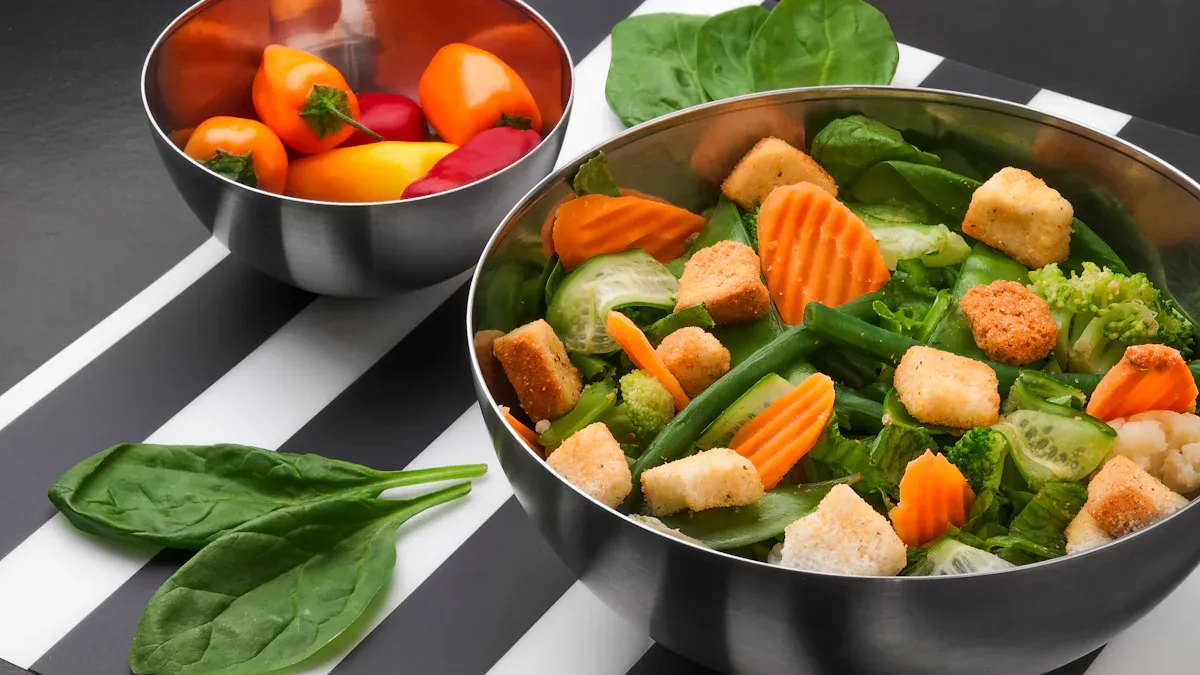
You probably notice that prices for fresh vegetables can change a lot. Weather, harvests, and even the time of year can make your grocery bill jump. When you buy frozen vegetables, you get a more stable price. Stores freeze these vegetables during peak harvest, so you pay less and avoid big price swings. This makes it easier to plan your budget and always have healthy options at home.
Here’s a quick look at how prices compare for some favorites:
Fresh broccoli costs about $1.89 per pound.
Frozen broccoli is around $1.50 per pound.
You can see that frozen broccoli gives you a better deal. The same goes for other vegetables like peas and corn. Frozen options often cost less, especially when fresh ones are out of season. You can find these savings at big stores like Walmart and ALDI. Aldi’s Season’s Choice and other brands offer affordable, easy choices for your meals.
You might wonder if frozen vegetables are as healthy as fresh ones. The answer is yes! Farmers pick these vegetables and flash-freeze them at peak ripeness. This process locks in their nutritional value. Fresh vegetables start losing nutrients right after harvest. By the time they reach your kitchen, they may have lost a lot of their vitamins. For example, green peas can lose up to 51% of their vitamin C within two days of picking. Frozen corn can even have more vitamin C than fresh corn. Frozen broccoli sometimes has higher levels of nutrients like riboflavin.
Check out this table to see which nutrients stay strong in frozen vegetables:
Nutrient | Preservation Status |
|---|---|
Vitamin A | Well-preserved |
Carotenoids | Well-preserved |
Vitamin E | Well-preserved |
Minerals | Well-preserved |
Fiber | Well-preserved |
You get a healthy boost from frozen vegetables because they keep their goodness during storage. Studies show that the nutritional value of frozen vegetables is often just as high as fresh, especially after fresh ones sit in your fridge for a few days. You can trust that frozen vegetables will help you make easy, healthy meals every time.
Frozen vegetables make your life easy. You don’t have to wash, peel, or chop. Just open the bag and cook. This saves you time, especially on busy nights. Frozen broccoli comes pre-cut and ready to go. You can toss it into a stir-fry or steam it for a quick side dish. Preparing frozen greens is much easier than cleaning and chopping fresh ones.
You also get more choices. Stores like Walmart, ALDI, and Trader Joe’s carry many types of frozen vegetables. You can find broccoli florets, mixed medleys, sweet corn, tri-colored carrots, and even rainbow cauliflower. These options make it easy to add color and flavor to your meals. Frozen vegetables last longer, so you waste less food and always have something healthy on hand.
Tip: Keep a few bags of frozen vegetables in your freezer. You’ll always have an easy, quick way to make your meals healthier.
You can save money every time you shop for frozen vegetables. Try these easy tips:
Buy in bulk if you use a lot of vegetables. You will pay less per bag and always have some on hand. Just make sure you have enough freezer space.
Look for sales at your favorite grocery store. Stores often offer discounts on frozen foods to attract shoppers. You can stock up when prices drop.
Choose store brands. Many store brands come from the same factories as name brands. You can save 10% to 15% without losing quality.
Pick steamable options for quick meals. These bags go right in the microwave and save you time.
Tip: Check the weekly ad before you shop. You might find deals on your favorite vegetables.
Planning your meals helps you use every bit of food. Frozen vegetables make this easy. You can take out just what you need for each meal. This means less waste and more savings. Check out this table:
Food Type | Waste per Person (kg/year) |
|---|---|
Fresh Food | 37.48 |
Frozen Food | 6.46 |
You can see that frozen foods help you waste less. The long shelf life means you do not have to rush. You can keep a variety of healthy choices ready for any meal. This works well for vegetarian and vegan families too.
You can make quick, healthy meals with frozen vegetable recipes. Try these easy ideas:
Add frozen meatballs and vegetables to soup for a hearty dinner.
Make a vegetarian stir-fry with mixed vegetables and tofu.
Try frozen ravioli with vegetables for a simple, healthy meal.
Use frozen fish sticks in tacos for a fun twist.
Make hearty soups with frozen corn, peas, and carrots.
These recipes are easy, budget-friendly, and perfect for busy nights. You can find many vegetarian and vegan options. Frozen vegetable recipes help you eat healthy without spending a lot of time or money.
You may wonder if frozen vegetables taste as good as fresh. Many people notice frozen vegetables feel softer after cooking. This is because freezing breaks the cell walls inside. When you cook them, they lose some crunch. Sometimes, you might taste a small difference too. Freezer burn can make vegetables dry or grainy. You might also smell a change.
Here are things people often say about frozen vegetables:
The texture is softer or not as crisp as fresh.
Sometimes, there are dry or grainy spots from freezer burn.
The taste and smell can change a little after freezing.
You can make frozen vegetables taste better by cooking them right. Try steaming or microwaving to keep them tender. Frozen vegetables are great in soups, stews, and casseroles. They get soft fast and mix well into your meal. If you want a crunchy snack, fresh vegetables are still best. For most recipes, frozen vegetables are an easy way to add healthy food.
You might worry about what is in frozen vegetables. Most plain frozen vegetables have only one ingredient: the vegetable. You can check the package to make sure. Some blends or seasoned kinds may have salt, sauces, or sugar added. If you want a healthy choice, pick plain frozen vegetables with nothing extra.
Here’s a simple tip: Read the label before you buy. Look for vegetables with no added ingredients. This helps you get all the easy benefits and keeps your meals healthy. Frozen vegetables make it simple to eat more veggies every day.
You can save money, eat well, and waste less when you choose frozen vegetables. They offer great nutrition, long shelf life, and easy prep. Check out the benefits:
Benefit | Why It Matters |
|---|---|
Cost Savings | Lower prices, less waste |
Nutrition | Picked and frozen at peak |
Convenience | Always ready in your freezer |
Try adding more frozen vegetables to your meals for better value and less stress.
You should not refreeze thawed vegetables. They lose texture and may not taste good. Try to cook only what you need.
You usually need to cook them. Some, like peas or corn, can go in salads after thawing. Always check the package for instructions.
Yes! Choose plain vegetables with no added sauces or sugar.
Frozen veggies help you control carbs and eat more fiber.