



Views: 0 Author: Site Editor Publish Time: 2026-02-12 Origin: Site


You’re in the middle of prepping a batch of brownies when you realize you’re out of fresh cocoa. You dig through the back of the pantry and find a dusty tin of cocoa powder that expired six months ago. The pressure is on-do you toss it and run to the store, or is it safe to use?
The short answer is: yes, cocoa powder can technically go bad, but it rarely “spoils” in the way perishable foods do. Unlike milk or eggs, dry cocoa powder has an incredibly long shelf life. However, just because it’s safe to eat doesn’t mean it will taste good. Over time, cocoa powder loses its rich, chocolatey potency, leading to baked goods with a flat, lackluster flavor.
Understanding the difference between food safety and food quality is key to deciding whether that old container is worth keeping. In this guide, we will break down exactly how long cocoa powder lasts, the science behind its longevity, and the subtle signs that suggest it’s time to buy a fresh batch.
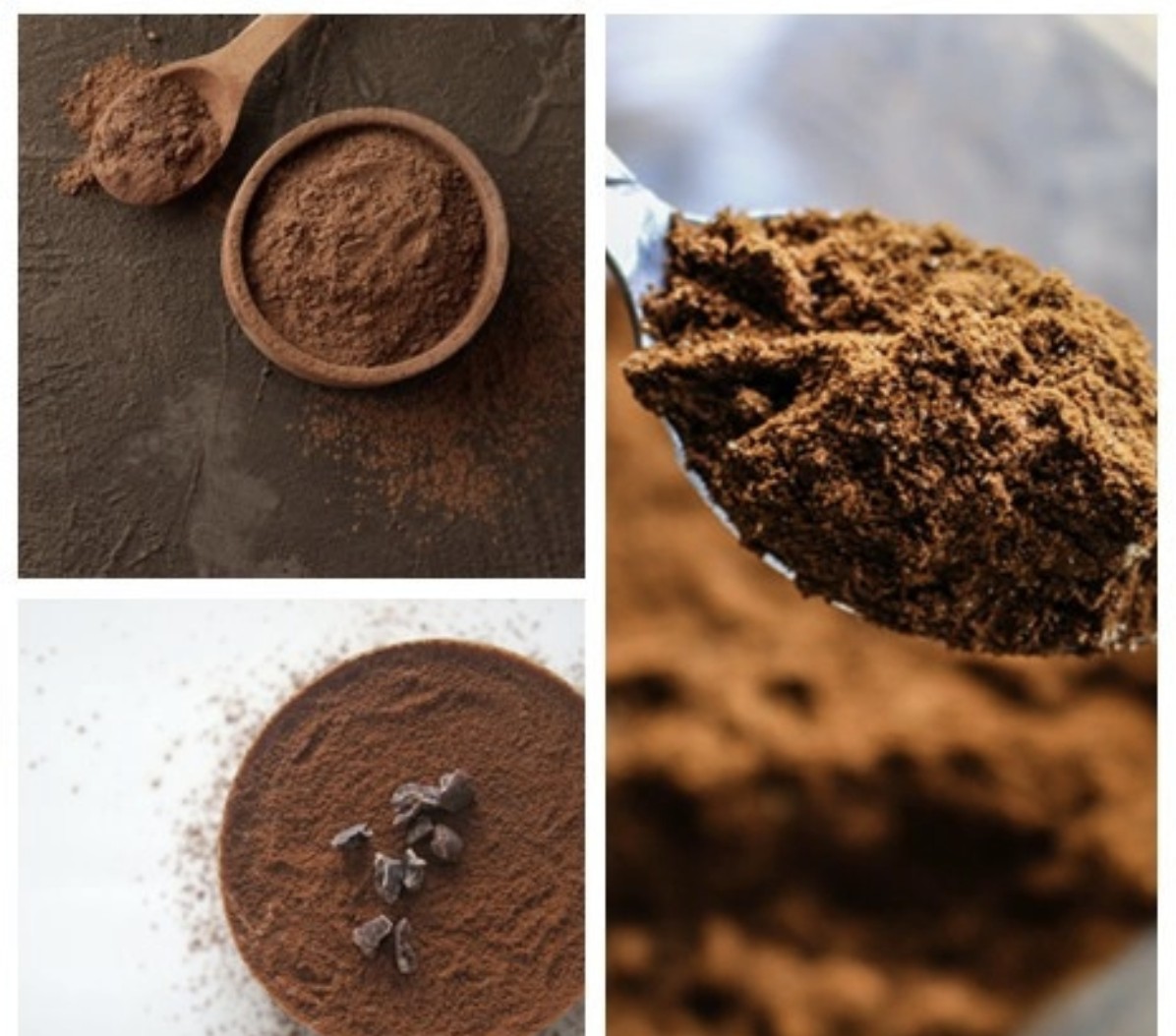
Cocoa powder is a shelf-stable dry good, meaning it doesn’t harbor the moisture required for rapid bacterial growth. Therefore, it doesn’t spoil like meats or produce. You generally won’t get food poisoning from using “expired” cocoa powder, provided it has remained dry.
However, cocoa powder is subject to quality degradation. It contains a small amount of cocoa butter (fat), which can oxidize over time when exposed to air, heat, and light. This oxidation leads to rancidity. Additionally, the complex flavor compounds that give chocolate its distinct aroma dissipate. If stored improperly—specifically in humid environments—it can succumb to mold, at which point it becomes unsafe to consume.
The lifespan of your cocoa depends heavily on its exposure to the elements. Here is what you can expect regarding the longevity of your product.
Unopened cocoa powder is incredibly resilient. Because the packaging is sealed against oxygen and moisture, the degradation process is extremely slow. Most manufacturers print a “best by” date on the container, which is usually two to three years from the production date.
However, this date is a suggestion for peak quality, not a safety deadline. If kept in a cool, dark, and dry environment, unopened cocoa powder can remain usable for years past its printed date. It might lose a fraction of its flavor intensity, but it will generally perform well in baking.
Once you break the seal, the clock starts ticking. Oxygen begins to interact with the volatile flavor compounds and the trace fats in the powder. Generally, opened cocoa powder retains its best quality for about one year.
After the one-year mark, you likely won’t notice a safety issue, but you will notice a decline in your desserts. Cookies may taste less rich, and cakes might lack that deep chocolate punch. High humidity is the enemy here; every time you open the lid in a steamy kitchen, you introduce moisture that can shorten the shelf life.
The term “dry cocoa powder” refers to its state of being free from moisture. As long as it stays dry, it remains safe. The low water activity in dry cocoa powder inhibits the growth of microorganisms like bacteria and yeast. However, “dry” does not mean immune to chemical changes. The powder is still susceptible to oxidation (rancidity) and hygroscopy (absorbing water from the air), which causes clumping and spoilage.
To help you manage your pantry, here is a quick reference guide for different cocoa products
| Condition | Typical Shelf Life |
|---|---|
| Unopened cocoa powder | 2–3 years (often longer) |
| Opened cocoa powder | ~12 months (best quality) |
| Properly sealed bulk cocoa | 2+ years |
| Hot cocoa mix | 6–12 months after opening |
You might be wondering why cocoa powder can survive in your pantry for years when a chocolate bar might turn white (bloom) or taste stale much faster.
1. Low Moisture Content
Bacteria and mold need water to thrive. Cocoa powder is processed to remove the vast majority of cocoa butter and moisture, leaving behind dry solids. This creates an environment that is hostile to microbial growth.
2. Natural Antioxidants
Cocoa is rich in polyphenols and flavonoids. These are natural antioxidants that help protect the cocoa solids from oxidative damage. Essentially, the chemical makeup of the cocoa bean helps preserve itself.
3. Processing
The process of making cocoa powder involves roasting the beans, which kills existing bacteria, and then grinding and pressing them. This processing ensures the product entering the tin is clean and stable.
4. Best Before vs. Expiration
It is vital to distinguish between a “best before” date and an “expiration” date. An expiration date usually indicates when a product may become unsafe (like raw chicken). A best-before date is the manufacturer’s guarantee of flavor quality. Cocoa powder falls firmly into the “best before” category.
Before you ruin a batch of frosting, perform these three simple sensory tests to check if your cocoa powder is past its prime.
Pour a little powder onto a white saucer. You are looking for two things:
Mold: If you see any fuzzy growth, white spots, or strange organic colors, discard the entire container immediately. This usually happens if a wet spoon was used to scoop powder previously.
Discoloration: Rich, dark brown is good. If the powder has faded to a pale gray or has a bleak, dusty look, the flavor has likely evaporated.
Clumping: Small clumps that break apart easily when pressed are fine. However, hard, dense clumps indicate moisture has invaded the container. This is a precursor to mold growth and a sign the texture has been compromised.
The nose knows. Give the container a good sniff.
Good: It should smell intensely like chocolate—bitter, earthy, and rich.
Bad: If it smells musty, savory, like wet cardboard, or has a sharp, chemical scent, the fats have gone rancid. If you smell nothing at all, the cocoa is stale; it won’t make you sick, but it won’t make your brownies taste good, either.
If it looks and smells okay but you are still unsure, dip a finger in.
Good: It should taste very bitter and strongly of chocolate.
Bad: A sour, flat, or soapy taste indicates spoilage. If it tastes like “dust” with no distinct chocolate notes, it has lost its potency.
Proper storage is the single most effective way to extend the life of your cocoa powder.
Airtight Containers: The tin or bag cocoa comes in isn’t always airtight once opened. Transferring the powder to a glass jar with a rubber seal or a high-quality plastic container can significantly extend its freshness.
Cool and Dark: Heat and light accelerate oxidation. Do not store cocoa powder next to the stove, oven, or dishwasher. A dark pantry or cupboard away from direct sunlight is ideal.
Dry Utensils: Never put a wet spoon into the container. Even a drop of water can create a localized pocket of humidity that breeds mold.
For bakeries or those buying in bulk, storage stakes are higher.
Moisture-Proof Packaging: Bulk cocoa should be stored in food-grade, heavy-duty bags lined to prevent moisture migration.
Climate Control: Warehouses or storage rooms should have controlled humidity (below 60%) and temperature (between 60-70°F).
Pallet Storage: Keep bags off the floor and away from walls to ensure air circulation and prevent condensation buildup.
If you find a container that is six months past the date on the label, do not panic. It is usually safe to use if it passes the visual and smell tests mentioned above.
However, you must manage your expectations regarding performance.
Flavor: Old cocoa lacks depth. If cocoa is the star ingredient (like in a chocolate lava cake), use fresh powder. If it is a background note (like in a red velvet cake), old powder might be passable.
Leavening: Some recipes rely on the acidity of natural cocoa powder to react with baking soda. As cocoa ages and oxidizes, its pH level can shift slightly, which might impact the rise of your baked goods, though this is rare.
When to Discard:
Regardless of the date, throw it out if:
There is visible mold.
It smells rancid.
It has been exposed to insects or pests.
If you don’t bake often and want to ensure your cocoa stays fresh for years, try these advanced storage techniques.
Vacuum Sealing: Using a vacuum sealer removes oxygen from the package, effectively pausing the oxidation process. This is the gold standard for long-term storage.
Avoiding Temperature Fluctuation: Consistency is key. Constant changes from hot to cold (like a cupboard above a stove) cause condensation inside the container. Find a spot in your house that remains temperature-stable.
Freezing (With Caution): You can freeze cocoa powder to store it indefinitely, but it comes with risks. You must seal it in a completely airtight, double-bagged system. When you take it out, you must let it come to room temperature before opening the bag. If you open a cold bag in warm air, condensation will form instantly on the powder, ruining it.
Unsweetened cocoa powder is the pure product of processed cacao beans. Because it lacks additives like milk solids or vegetable fats, it is the most stable form of cocoa.
The “unsweetened” distinction is important because sugars and fats added to mixes can attract moisture and spoil faster. Unsweetened cocoa has a lower fat content (usually 10-22% cocoa butter) and zero sugar, making it less attractive to bacteria and more resistant to chemical breakdown. While its flavor and aroma will still decline over the years, it outlasts almost every other chocolate product in your kitchen.
“Baking cocoa” is simply another term for unsweetened cocoa powder. Whether it is labeled as “Dutch-process” (alkalized) or “Natural,” the shelf life rules remain the same.
Dutch-process cocoa has been treated with an alkaline solution to neutralize acidity, giving it a darker color and mellower flavor. Natural cocoa is more acidic and lighter. Both types have similar shelf lives, but because Dutch-process cocoa starts with a mellower flavor profile, you might notice it going “flat” faster than the punchy, acidic natural cocoa.
This is where things get tricky. Hot cocoa mix is not the same as cocoa powder. It typically contains cocoa powder, sugar, dried milk powder (dairy), and stabilizers.
Because of the dairy and sugar content, hot cocoa mix has a much shorter shelf life. The fats in the milk powder can go rancid much faster than cocoa butter, and the sugar is highly hygroscopic (it attracts water).
Shelf Life: Unopened hot cocoa mix lasts about 1 to 2 years. Opened, it should be consumed within 6 months to a year.
Spoilage Signs: If your hot cocoa mix smells like sour milk or cheese, the dairy solids have spoiled. Do not consume it.
Dry cocoa powder rarely goes “bad” in a way that makes it unsafe, provided it stays dry. However, it does go “stale.” Over time, the flavor compounds evaporate and the fats oxidize, leading to a flat or slightly rancid taste.
For the best tasting results, use opened cocoa powder within one year. After this period, it is likely still safe to eat, but the quality of your chocolate desserts will diminish.
Yes, you can freeze cocoa powder to extend its life, but you must do it carefully. Seal it in an airtight bag or container. When removing it from the freezer, allow it to reach room temperature before opening the seal to prevent condensation from forming on the powder.
Generally, yes. If the powder has been stored in a cool, dry place and shows no signs of mold or bad odor, it is safe to use past the date on the package. The date is a guide for quality, not safety.
If cocoa powder gets wet, bacteria and mold can begin to grow almost immediately. Wet cocoa powder creates an environment for spoilage. If water gets into your bulk container, discard the affected portion immediately, or toss the whole container to be safe.
Cocoa powder is one of the most resilient ingredients in your pantry. Thanks to its low moisture content and natural antioxidants, it fights off spoilage naturally. By keeping your cocoa powder in an airtight container, away from the heat of the oven and the humidity of the dishwasher, you can ensure it remains fresh and potent for years.
So, the next time you find that forgotten tin of cocoa, give it a quick visual check and a sniff test. If it smells like rich, delicious chocolate, you are ready to bake.
We are an integrated Cocoa Powder Manufacturer and exporter, producing alkalized and natural cocoa powders for bulk buyers worldwide. With stable production capacity and export-ready packaging, we help wholesalers, importers, and food manufacturers secure consistent quality across every shipment-supported by batch traceability and reliable lead times.

